
A bright, healthy smile starts with excellent oral hygiene. From brushing and flossing to routine dental cleanings, these practices are essential to maintaining not just the appearance of your smile but its overall health. Proper cleaning removes plaque and bacteria, which can lead to cavities, gum disease, and even systemic health issues if left unchecked. The steps you take daily – and the in-office professional care you receive – can make all the difference in preserving your oral health for years to come.
Maintaining a thorough cleaning routine can be challenging, especially with busy schedules and varying health needs. That’s where in-office professional dental care comes in. Regular checkups and cleanings from Dr. Hiruma and her team at Enso Dental Arts can help detect and address potential issues early. With the right support, you can achieve a smile that looks great and feels even better.
Every day, your teeth face an onslaught of food particles, acids, and bacteria. When not removed effectively, these substances will form plaque, which is a sticky biofilm that clings to your teeth. Left untreated, plaque hardens into tartar, a mineralized deposit that can only be removed by an in-office dental professional. Both plaque and tartar contribute to tooth decay and gum disease, two of the most common oral health issues.
Routine dental cleanings play a crucial role in preventive dentistry and disease and, removing built-up tartar and plaque, focusing on areas that are hard to reach with a toothbrush or floss. Dr. Hiruma and her team will also assess your gums, looking for signs of inflammation or early periodontal disease.
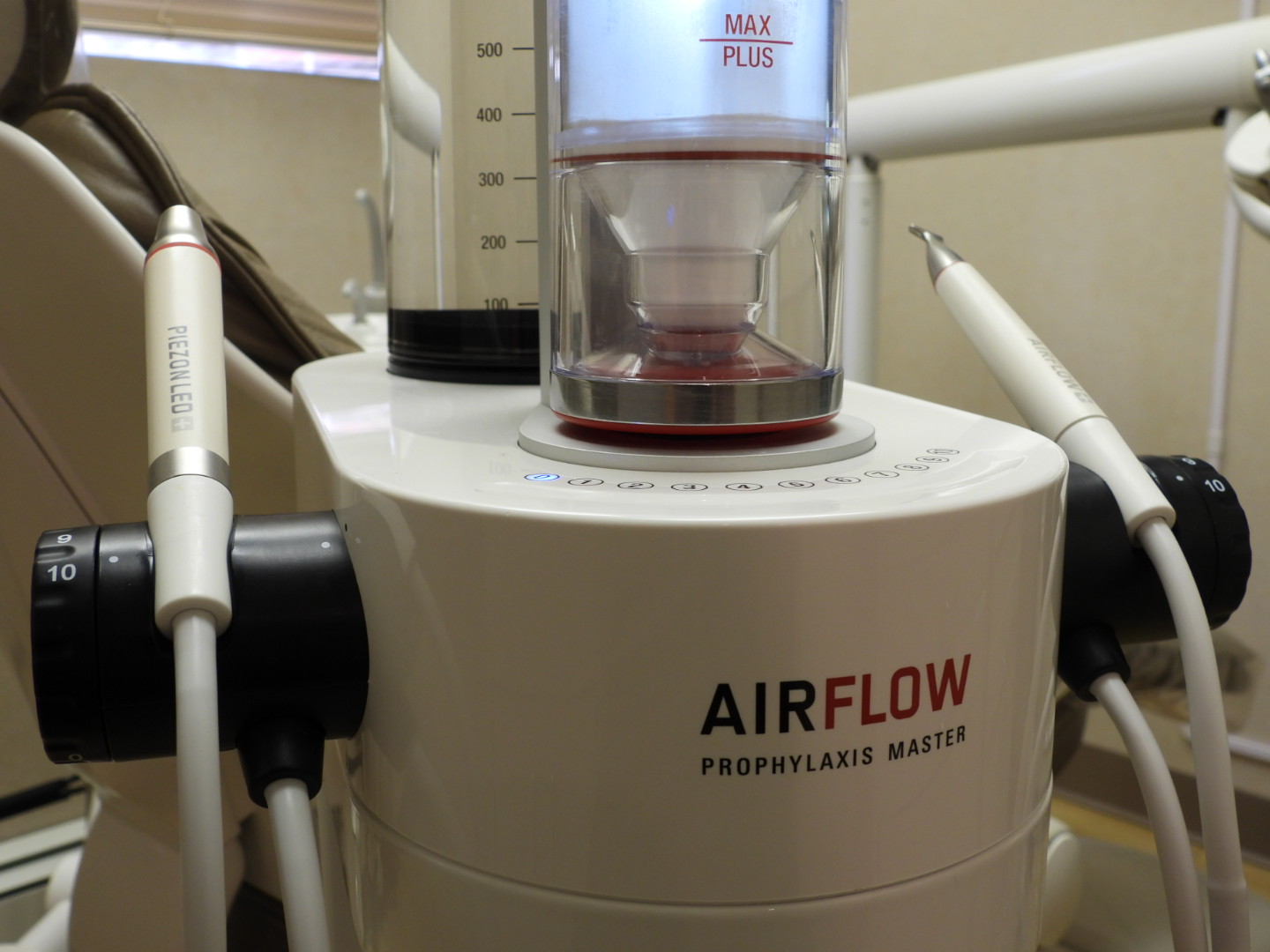
In addition to prevention, professional cleanings enhance the overall appearance of your teeth. Our state of the art EMS airflow is extremely efficient at removing stains and biofilm using 14µm erythritol powder and water spray. Stains from coffee, tea, or wine can dull your smile over time, but a polishing during a cleaning can remove surface stains, restoring the natural brightness of your teeth.
While dental cleanings are essential, your daily routine lays the foundation for oral health. Brushing at least twice a day with fluoride toothpaste is imperative. Fluoride strengthens enamel and helps prevent cavities, and thorough brushing removes food debris and plaque that can accumulate throughout the day. Using a soft-bristled toothbrush and proper technique ensures effective cleaning without causing damage to your gums or enamel.
Flossing is equally important, as it targets the spaces between your teeth where a toothbrush can’t reach. This practice removes trapped food particles and plaque, reducing your risk of cavities and gum disease. Many people overlook flossing, but incorporating it into your routine is vital for complete care. Tools like water flossers or pre-threaded flossers can make the task easier for those with dexterity challenges or braces.
Mouthwash can also be a helpful addition to your routine, especially if you’re prone to cavities or gum issues. Antimicrobial mouthwashes reduce bacteria, while fluoride rinses offer extra protection for enamel. Together, these practices form a comprehensive hygiene routine that supports a healthy, beautiful smile.
Oral hygiene doesn’t just affect your teeth and gums; it plays a significant role in your overall health. Poor oral health is linked to a variety of systemic conditions, including heart disease, diabetes, and respiratory infections. The mouth serves as a gateway to the rest of the body, making it essential to control bacteria and inflammation that could spread to other areas.
Gum disease, in particular, has been associated with serious health risks. When gums become inflamed and infected, bacteria can enter the bloodstream, potentially contributing to cardiovascular problems. Additionally, chronic gum disease can make it harder to control blood sugar levels, complicating conditions like diabetes. Maintaining good oral hygiene is a proactive way to support your overall well-being.
For pregnant individuals, oral health takes on an even greater significance. Hormonal changes during pregnancy can increase the risk of gum disease, which has been linked to premature birth and low birth weight. Regular cleanings and diligent at-home care during pregnancy can help minimize these risks and ensure both mother and baby remain healthy.
Professional dental cleanings should typically be performed every six months, though some patients may need them more frequently. Even with excellent home care, plaque can harden into tartar (calculus) that can only be removed by professional instruments. Professional cleanings also reach areas that are difficult to clean at home and include polishing to remove surface stains and fluoride treatments for additional protection.
A regular cleaning removes plaque and tartar from above the gum line and is preventive maintenance for healthy mouths. Deep cleaning (scaling and root planing) is a therapeutic procedure for patients with gum disease that removes bacteria, plaque, and tartar from below the gum line and smooths root surfaces to help gums reattach to teeth. Deep cleaning may require local anesthesia and is often completed in multiple visits.
Some minor bleeding during cleaning can be normal, especially if you have gingivitis or haven’t had a cleaning in a while. However, healthy gums should not bleed significantly. Bleeding usually indicates inflammation caused by bacterial buildup. After a professional cleaning and improved home care, bleeding should decrease substantially within a few days to a week.
After a cleaning, your teeth and gums may be slightly sensitive for 24-48 hours. Use a soft-bristled toothbrush and avoid extremely hot, cold, or acidic foods and drinks. If you received a fluoride treatment, avoid eating, drinking, or rinsing for at least 30 minutes. Maintain gentle but thorough brushing and flossing, and the sensitivity should resolve quickly.
A typical cleaning appointment includes a review of your medical history, examination of your teeth and gums, removal of plaque and tartar using specialized instruments, polishing to remove surface stains, flossing, and often a fluoride treatment. The hygienist may also provide personalized oral hygiene instructions and recommendations for home care products based on your specific needs.
Brush twice daily with fluoride toothpaste using proper technique, floss daily to remove plaque between teeth, use an antimicrobial mouthwash if recommended, replace your toothbrush every three months, avoid tobacco products, limit sugary and acidic foods, and stay hydrated. Consider using an electric toothbrush or water flosser if manual techniques are challenging for you.
At Enso Dental Arts, we’re dedicated to helping you achieve optimal oral health through a combination of skilled care and personalized attention. From routine cleanings to tailored hygiene advice, we ensure every visit is comfortable, informative, and effective. Dr. Hiruma and her team use state-of-the-art technology to provide thorough cleanings that not only improve your oral health but also boost your confidence with a brighter smile.
We believe education is key to maintaining good hygiene. That’s why we take the time to explain your dental health, answer your questions, and recommend techniques or products suited to your specific needs. Whether you’re due for a cleaning or looking to improve your home routine, we’re here to guide you every step of the way. Call us today at (516) 494-4771 or visit our contact form to schedule your appointment.