Jaw pain and chronic headaches often stem from bite problems that remain hidden during routine dental examinations, but advanced diagnostic technology can reveal these underlying issues and guide effective treatment. The iTero wellness scan provides detailed three-dimensional views of teeth and bite relationships, serving as an essential first step in identifying alignment problems that contribute to temporomandibular joint disorders and facial pain. This initial assessment opens the door to more comprehensive diagnostic approaches, including the Kois Deprogrammer, which allows your jaw muscles to fully relax and reveals your true bite position.
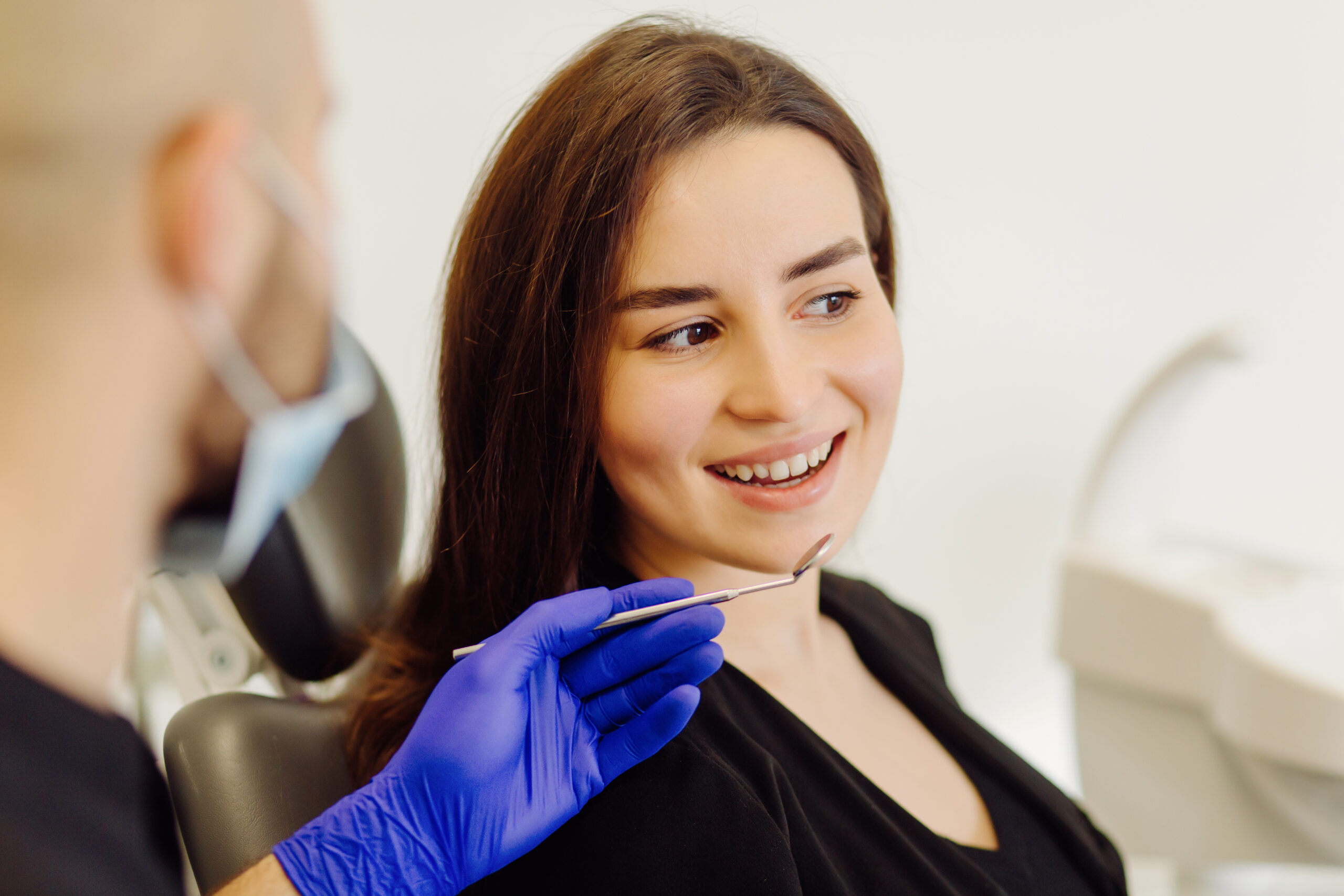
At Enso Dental Arts, Dr. Maria Hiruma uses the iTero wellness scan to evaluate patients experiencing unexplained jaw pain, headaches, or bite discomfort. This technology captures precise digital impressions that help identify potential bite imbalances, revealing when deeper diagnostic evaluation with tools like the Kois Deprogrammer may be beneficial. Combined with treatment options such as occlusal adjustment, this comprehensive approach utilizing advanced diagnostic tools develops personalized treatment strategies that address root causes rather than merely managing symptoms.
How the iTero Wellness Scan Identifies Bite Concerns
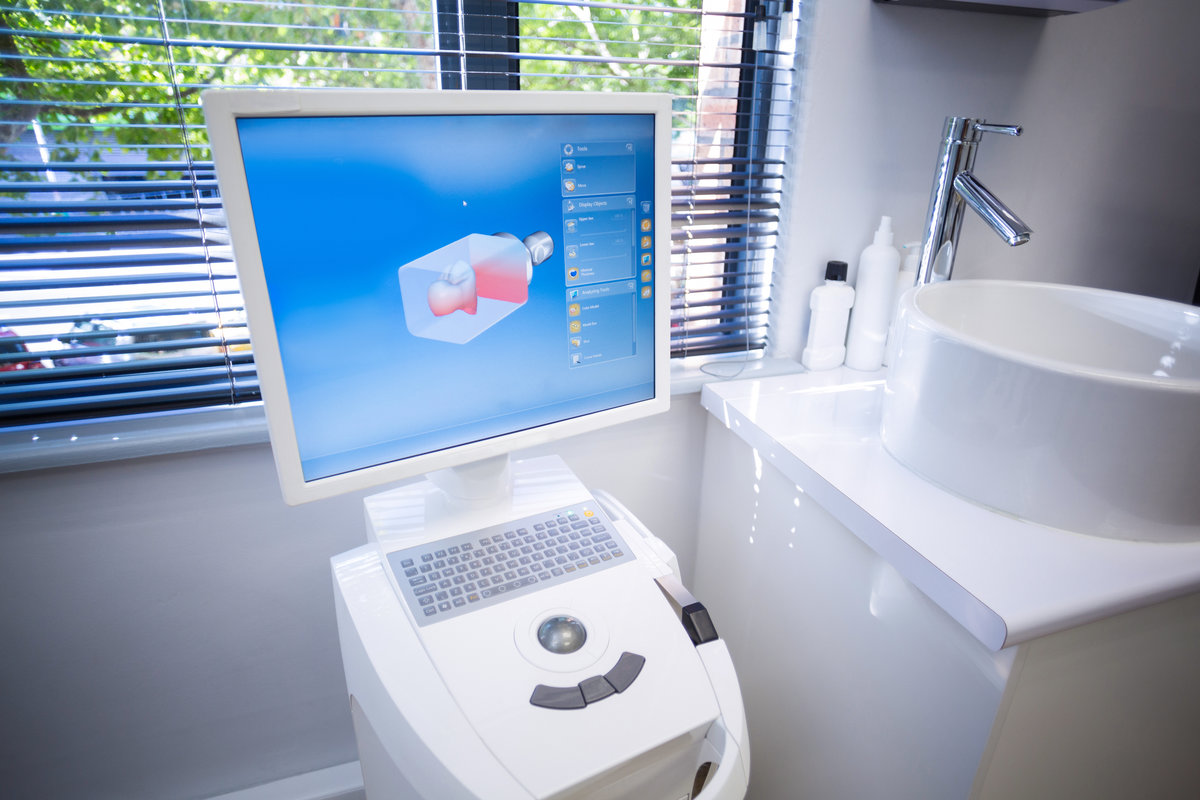
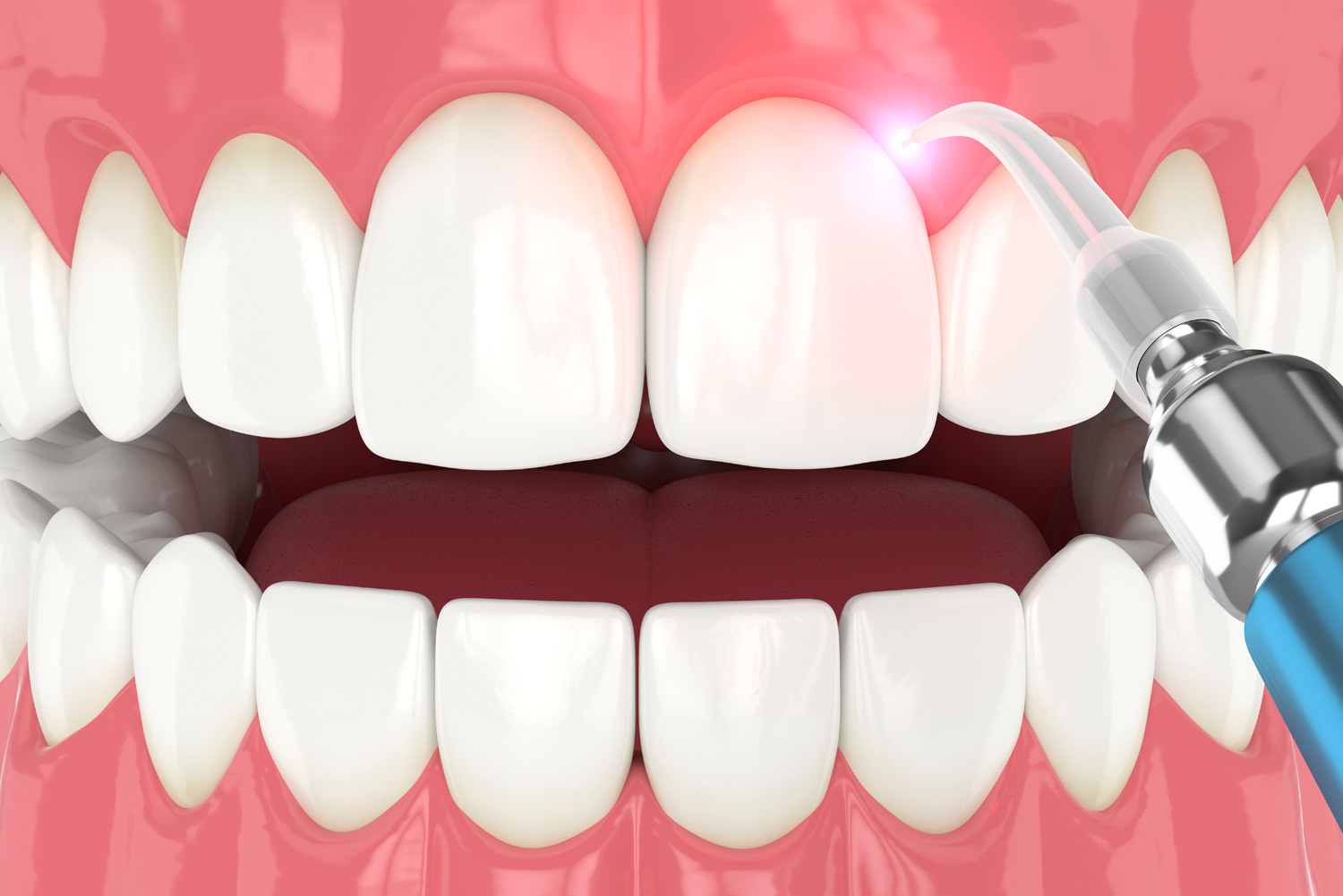
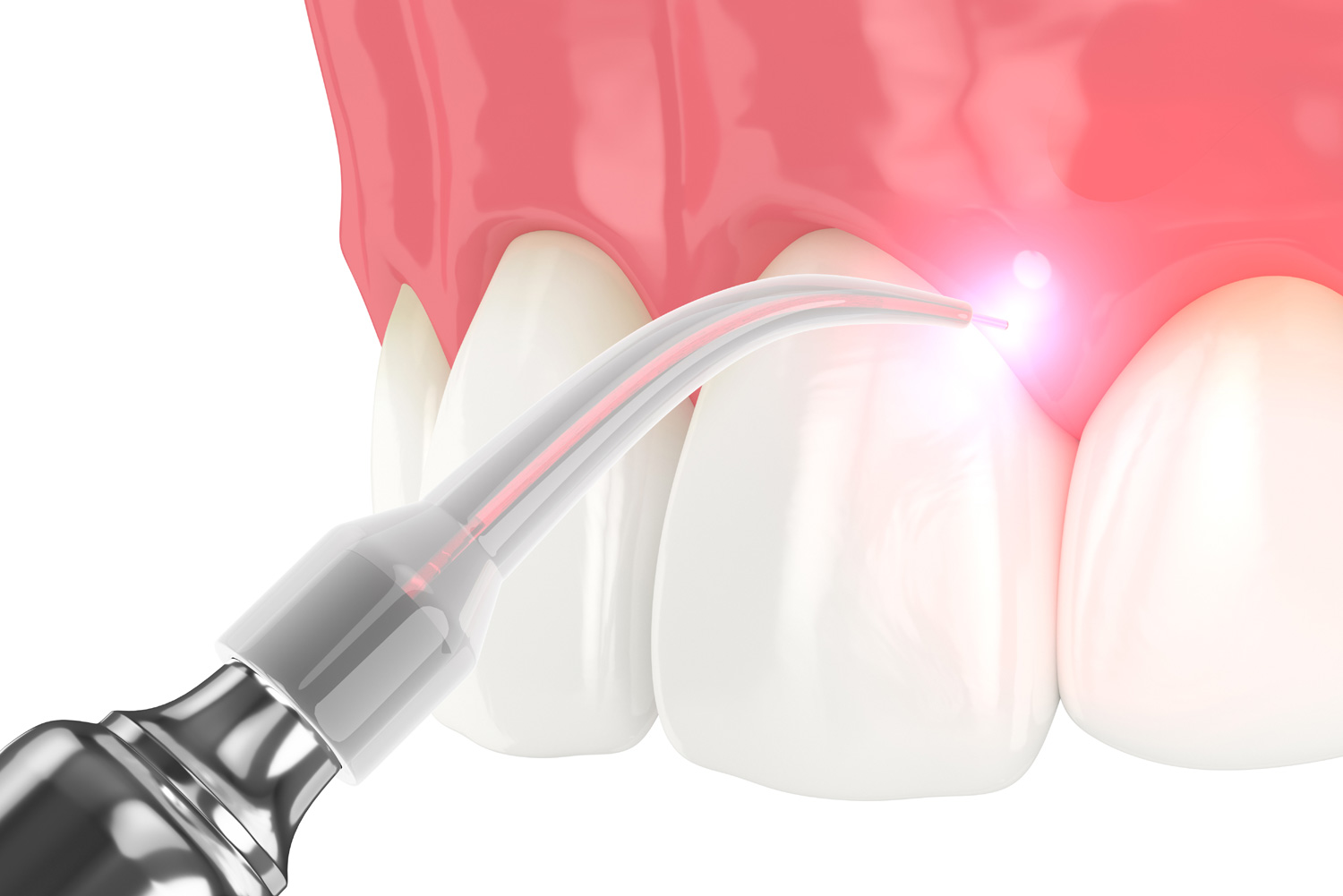
The journey toward resolving jaw pain begins with understanding your current bite relationship. The iTero wellness scan creates detailed three-dimensional digital models of your teeth and bite patterns, providing Dr. Hiruma with precise visualizations that traditional impressions cannot match. These digital scans capture the exact positions of your teeth and how they come together when you close your jaw, revealing potential areas of concern.
During your scan, the iTero device captures thousands of images that are seamlessly stitched together into a complete digital model. This process takes only minutes and requires no uncomfortable impression materials. The resulting 3D images allow Dr. Hiruma to examine your bite from multiple angles, identifying asymmetries, contact points, and potential sources of strain on your jaw muscles and joints.
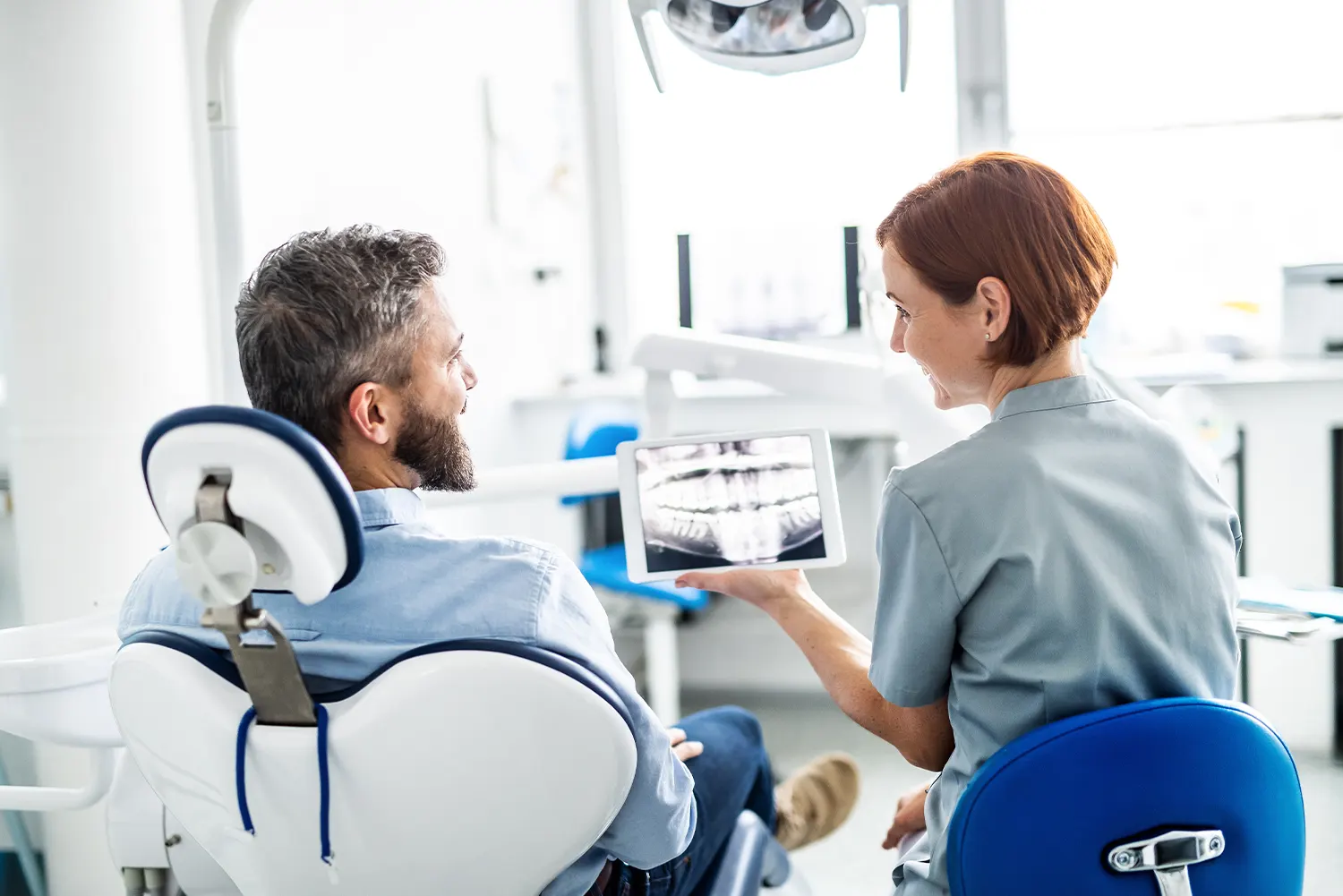
The iTero scan serves as an invaluable communication tool, enabling you to see your own bite relationships on screen. This visual evidence helps identify areas where teeth may be making premature contact or where bite forces may be unevenly distributed. When the scan reveals potential bite problems contributing to your pain symptoms, we can discuss the next diagnostic step: the Kois Deprogrammer.
The Kois Deprogrammer: Diagnosing Your True Bite Position
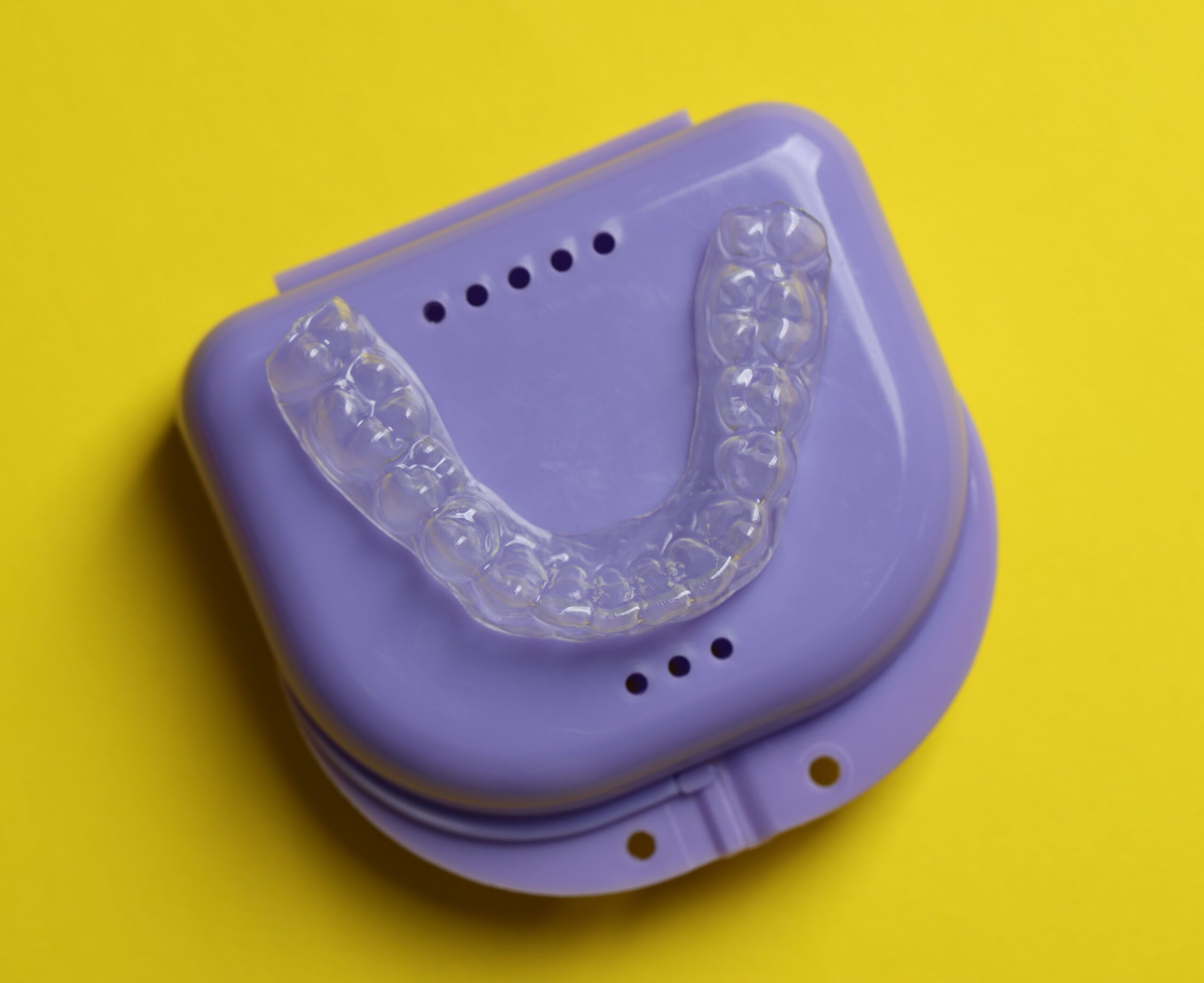
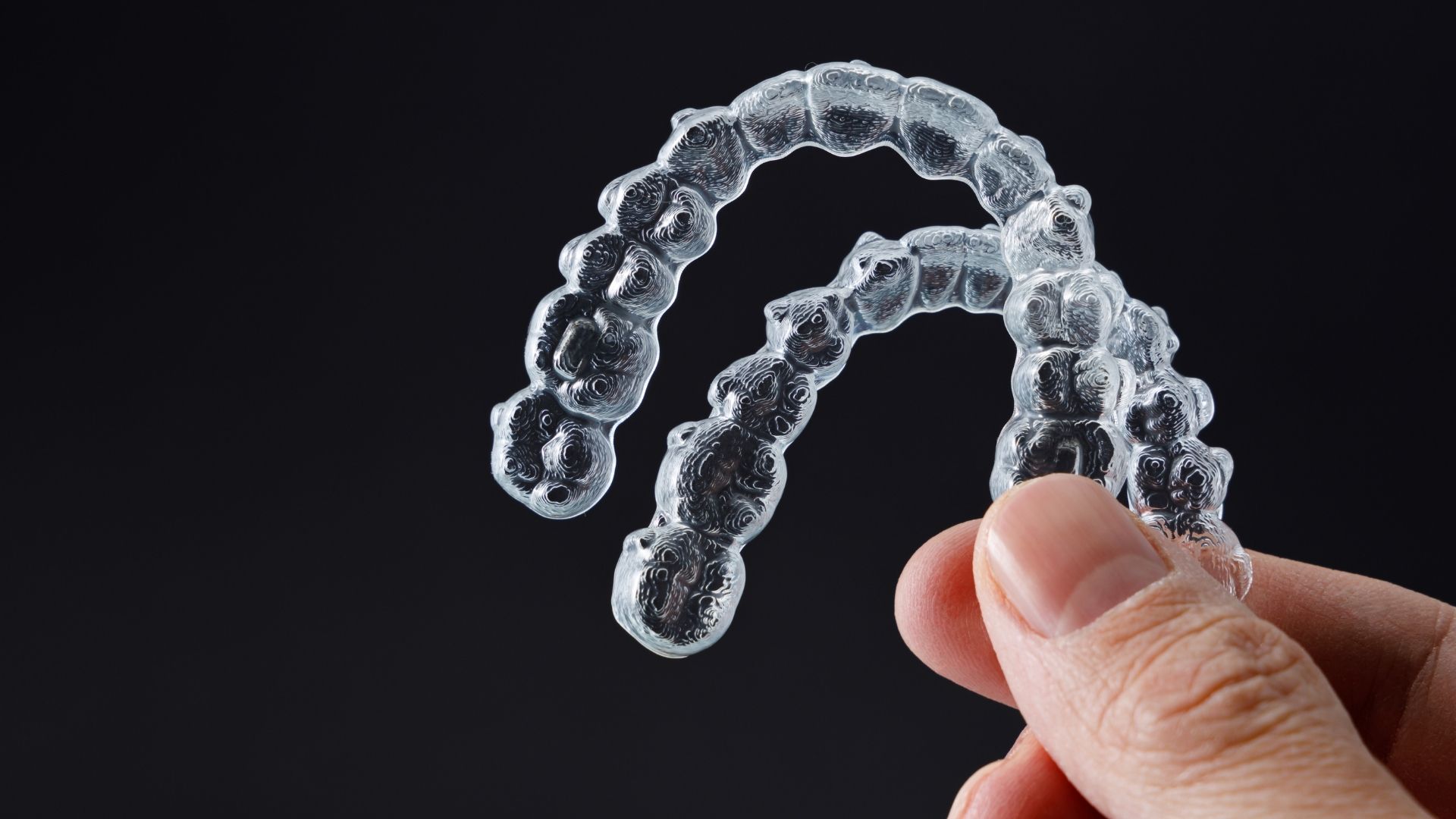
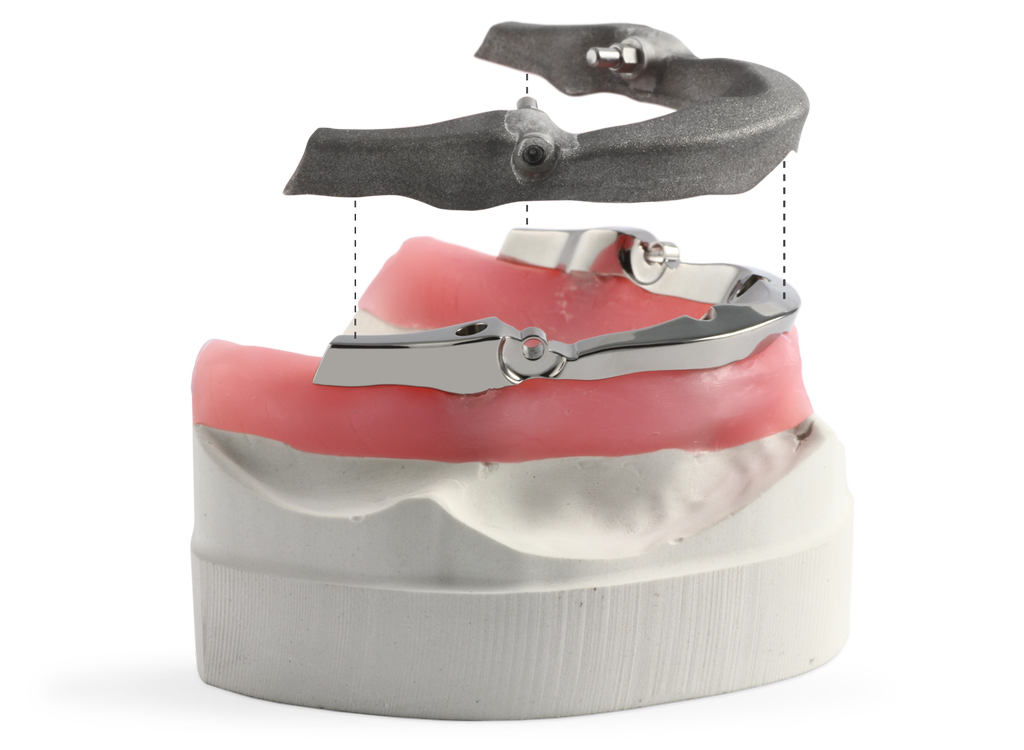
The Kois Deprogrammer is a critical diagnostic tool that goes beyond what imaging technology alone can reveal. This removable orthodontic retainer-like appliance allows your jaw muscles to relax and function independently from their usual position associated with your current bite. Many patients develop muscle memory patterns that force their jaw into positions dictated by tooth contacts rather than the natural resting position of their temporomandibular joints.
When you wear the Kois Deprogrammer, your jaw muscles gradually release tension built up over months or years of compensating for bite imbalances. After a period of wearing this appliance, your former muscle memory pattern will be erased, allowing your jaw to settle into its natural, most comfortable position. This deprogrammed state reveals your true bite relationship—the position where your jaw wants to be when muscles are fully relaxed, rather than where your teeth force it to be.
Once your lower jaw has fully relaxed and any symptoms you might have experienced are resolved, Dr. Hiruma can accurately determine and record your new bite position. This information serves as the foundation for planning occlusal adjustments or other treatments that will permanently place your bite in a more comfortable, natural position. The Kois Deprogrammer essentially serves as a diagnostic test, showing what your bite should be rather than what it currently is.
What to Expect When Wearing the Kois Deprogrammer
Understanding the Kois Deprogrammer process helps patients feel confident about this diagnostic phase. The appliance will need to be worn for a period of two to four weeks, and during that time, it is important that you wear it as much as possible to allow the jaw muscles to relax completely and change to a new closing bite position. The only exceptions are eating, cleaning your teeth, or special occasions when wearing the appliance would be impractical.
The Kois Deprogrammer is designed to feel as comfortable as possible, though some initial adjustments are normal. You may experience some speech changes when you first begin wearing the appliance, but within a few days, these will disappear as your jaw muscles and tongue adapt to the new position. Some soreness of the chewing muscles may initially occur, but this discomfort will resolve as the muscles relax and release their stored tension.
Most patients experience bite changes that are very small in measurement, although the improvement in how your bite feels after wearing the Deprogrammer for a period of time may be clearly noticeable. If you clench on the Deprogrammer, your lower teeth may become temporarily sore. Caring for your Kois Deprogrammer is straightforward—simply clean it every time you clean your teeth by gently brushing it with a small amount of toothpaste, then rinse with warm water and store it safely in its retainer box when not wearing it.
From Diagnosis to Treatment: Occlusal Adjustment
Once the Kois Deprogrammer reveals your true bite position, Dr. Hiruma can develop a precise treatment plan to achieve permanent relief. Occlusal adjustment involves carefully reshaping tooth surfaces to eliminate premature contacts and redistribute bite forces evenly across all teeth. This procedure ensures that your teeth fit together in the relaxed position identified by the Deprogrammer rather than forcing your jaw into a strained position.
The adjustment process is highly precise and guided by the diagnostic information gathered from both the iTero scan and the Kois Deprogrammer phase. Dr. Hiruma identifies exactly which teeth need modification and by how much, making targeted changes that restore balance without over-treatment. Minor adjustments to high spots or premature contacts can produce dramatic improvements in comfort and function.
For some patients, occlusal adjustment alone provides complete resolution of jaw pain and headaches. In other cases, the diagnostic phase may reveal the need for additional treatments such as restorative dentistry to rebuild worn teeth or custom appliances to maintain the new bite position. The beauty of this diagnostic approach is that treatment decisions are based on objective findings about your jaw’s natural position rather than guesswork or trial and error.
If you decide not to proceed with treatment after wearing the Kois Deprogrammer, your chewing system will allow the change in your bite to adapt back to your original position after a few hours of leaving the appliance out of your mouth. However, most patients who experience the relief of having their jaw muscles fully relaxed choose to pursue permanent treatment to maintain that comfort.
Long-Term Benefits of Proper Bite Alignment
Achieving proper bite alignment through this diagnostic and treatment process provides benefits that extend throughout your daily life. When your bite is balanced and your jaw rests in its natural position, the chronic muscle tension that causes headaches dissipates. Many patients report improved sleep quality as nighttime clenching and grinding decrease, allowing deeper, more restorative sleep.
Properly balanced bites also reduce excessive wear on teeth and dental restorations, potentially extending their lifespan significantly. When bite forces are distributed evenly, no single tooth bears disproportionate pressure that accelerates wear or increases the risk of fracture. This preventive benefit can save considerable expense and discomfort over the years.
Beyond physical improvements, many patients discover that resolving bite imbalances enhances their overall quality of life in unexpected ways. Reduced tension headaches improve concentration and productivity at work, while decreased jaw pain makes eating and speaking more enjoyable. The comprehensive nature of bite-related problems means that addressing them often provides wide-ranging benefits throughout the head and neck region.
Comprehensive Bite Diagnosis at Enso Dental Arts
Dr. Hiruma’s commitment to advanced diagnostic technology and evidence-based treatment protocols ensures that patients experiencing jaw pain and headaches receive accurate diagnoses and effective solutions. Our use of the iTero wellness scan as an initial assessment tool, combined with the proven diagnostic capabilities of the Kois Deprogrammer, allows us to identify and address the root causes of bite-related discomfort with precision and scientific rigor.
Experience relief from chronic jaw pain and headaches through our comprehensive diagnostic approach. Our comfortable, inclusive environment welcomes patients seeking answers to persistent discomfort, providing the personalized attention needed to achieve lasting results. To learn more about how the iTero wellness scan and Kois Deprogrammer can reveal your true bite position and guide effective treatment, call us at (516) 494-4771 or contact our office to schedule your comprehensive evaluation.