If you have ever winced taking a sip of cold water or felt a sharp zap eating ice cream, you know exactly what tooth sensitivity feels like. It is one of the most common dental complaints we hear at Enso Dental Arts and also one of the most misunderstood.
The good news is that sensitive teeth are usually very treatable. The key is understanding what is causing it in the first place.
What Is Tooth Sensitivity?
Tooth sensitivity happens when the inner layer of your tooth, called dentin, becomes exposed. Dentin contains tiny channels that lead directly to the nerve of the tooth. When those channels are exposed to temperature, pressure, or certain foods, the nerve gets triggered and you feel that familiar sharp, uncomfortable sensation.
It can affect one tooth or several. It can come and go or feel constant. And it can range from mildly annoying to genuinely disruptive to your daily life.
What Causes It?
There is not one single cause of tooth sensitivity. It can develop for a number of reasons and sometimes more than one is happening at the same time.
Enamel erosion
Enamel is the hard outer layer that protects your teeth. When it wears down from acidic foods and drinks, aggressive brushing, or acid reflux, the dentin underneath becomes exposed. Once enamel is gone it does not grow back, which is why protecting it matters so much.
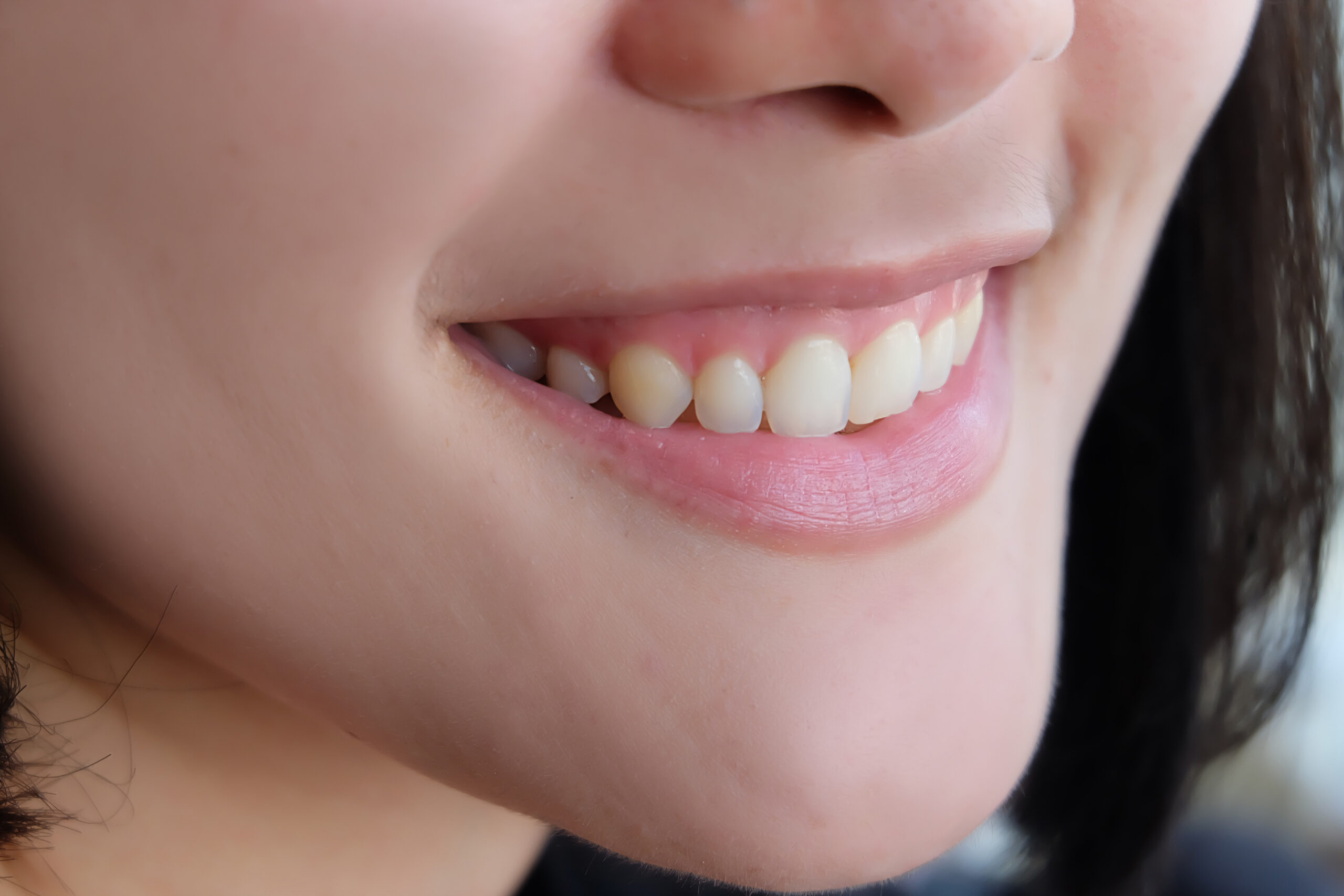
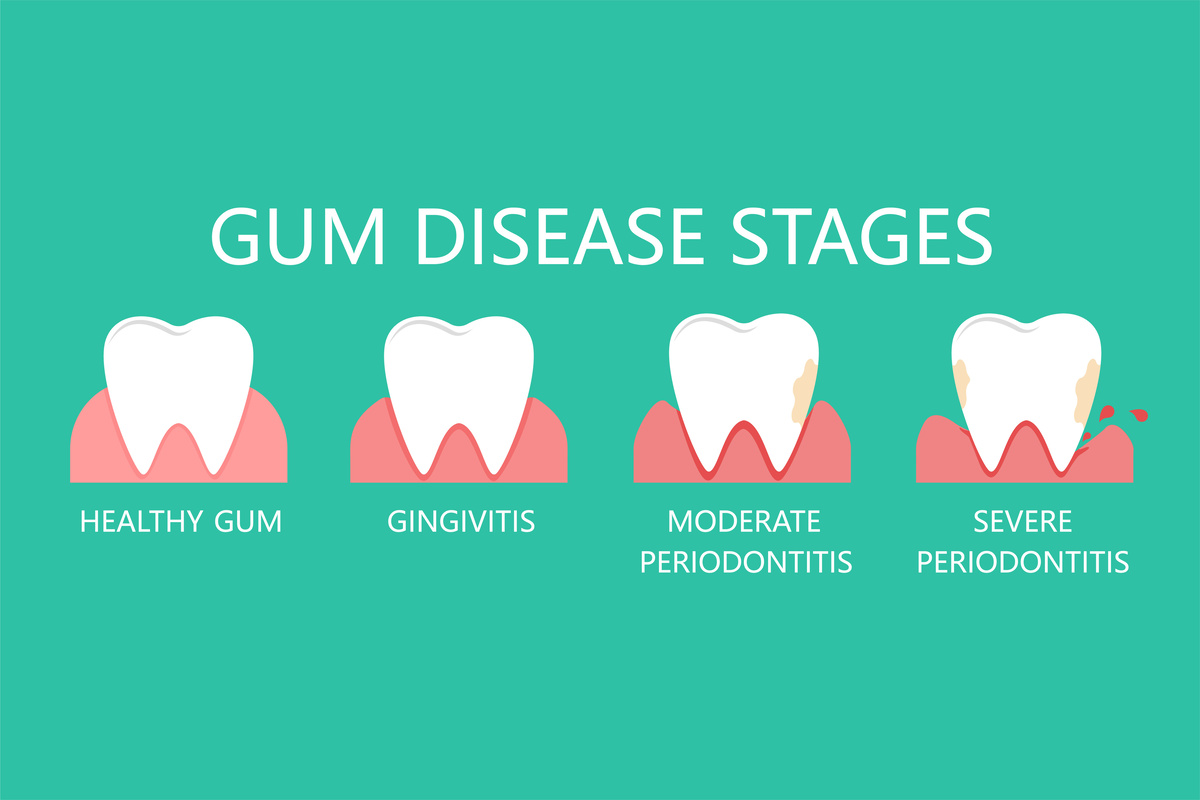
Gum recession
When your gums pull back from the base of your teeth, the root surface becomes exposed. The root does not have the same protective enamel layer as the rest of the tooth, making it much more sensitive to temperature and touch.
Teeth grinding
Grinding or clenching your teeth, especially at night, puts enormous pressure on your enamel and can wear it down significantly over time. Many people who grind do not even know they are doing it until a dentist points it out.
Tooth decay or a cracked tooth
A cavity or a crack in the tooth can expose the inner layers and cause sensitivity. If you notice sensitivity in one specific tooth, this is worth getting checked sooner rather than later.
Whitening treatments
Some people experience temporary sensitivity after teeth whitening, both professional and at home treatments. This usually resolves on its own within a few days.
Brushing too hard
It might feel like you are doing a thorough job but brushing with too much force or using a hard bristled toothbrush can actually wear away enamel and irritate gums over time.
How Is It Treated?
The right treatment depends entirely on what is causing your sensitivity. This is why it is important to come in rather than just reaching for a sensitivity toothpaste and hoping for the best.
Some common approaches include:
Desensitizing toothpaste
A good starting point for mild sensitivity. These toothpastes contain compounds that help block the channels in the dentin and reduce the signal reaching the nerve. They work best with consistent use over several weeks.
Fluoride treatments
Professional fluoride treatments applied in office help strengthen enamel and reduce sensitivity. We can also prescribe prescription strength fluoride for use at home.
Bonding or veneers
If enamel erosion or a chip is the culprit, covering the exposed area with bonding material or a veneer can provide lasting relief.
Gum grafting
For significant gum recession, a gum graft can cover exposed root surfaces and reduce sensitivity while also protecting the long term health of the tooth.
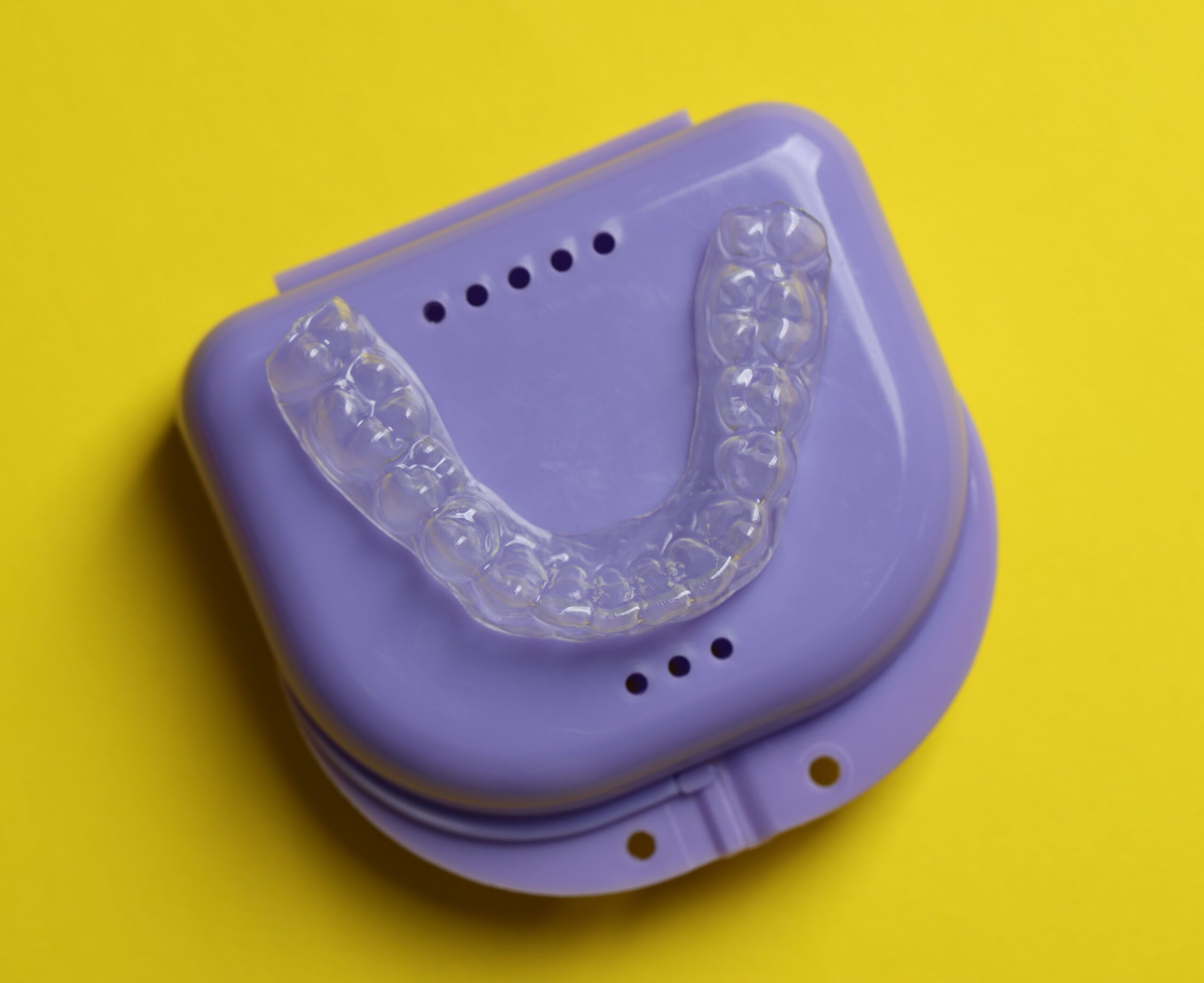
Night guard
If grinding is the cause, a custom fitted night guard worn while you sleep protects your teeth from the pressure and prevents further damage.
When Should You See a Dentist?
Any time you notice new or worsening sensitivity, it is worth a visit. Sensitivity is your mouth’s way of telling you something has changed and catching it early almost always means a simpler, less expensive solution.
You should come in right away if:
- The sensitivity is sharp and focused on one specific tooth
- You notice pain that lingers for more than a few seconds after the trigger is gone
- You have sensitivity along with visible cracks, chips, or dark spots
- Over the counter sensitivity products are not helping after a few weeks
Do not wait and hope it goes away on its own. What starts as mild sensitivity can develop into something more serious if left unaddressed.
We Are Here to Help
At Enso Dental Arts we take sensitivity seriously because we know how much it affects your daily life. Dr. Hiruma will take the time to identify exactly what is going on and walk you through the best options for your specific situation.
You do not have to avoid your favorite foods or flinch every time you drink something cold. Relief is closer than you think.
Book your appointment at ensodentalarts.com/contact or call us at (516) 494-4771.