If your dentist has ever mentioned that you might be grinding your teeth, you have probably also heard the words “night guard” come up shortly after. And if you are like a lot of patients, your first reaction was somewhere between skeptical and reluctant.
It feels like a big ask. Wearing something in your mouth while you sleep every night is not exactly appealing. But understanding what is actually happening to your teeth while you sleep and what a night guard does to protect them changes the conversation entirely.
What Is a Night Guard?
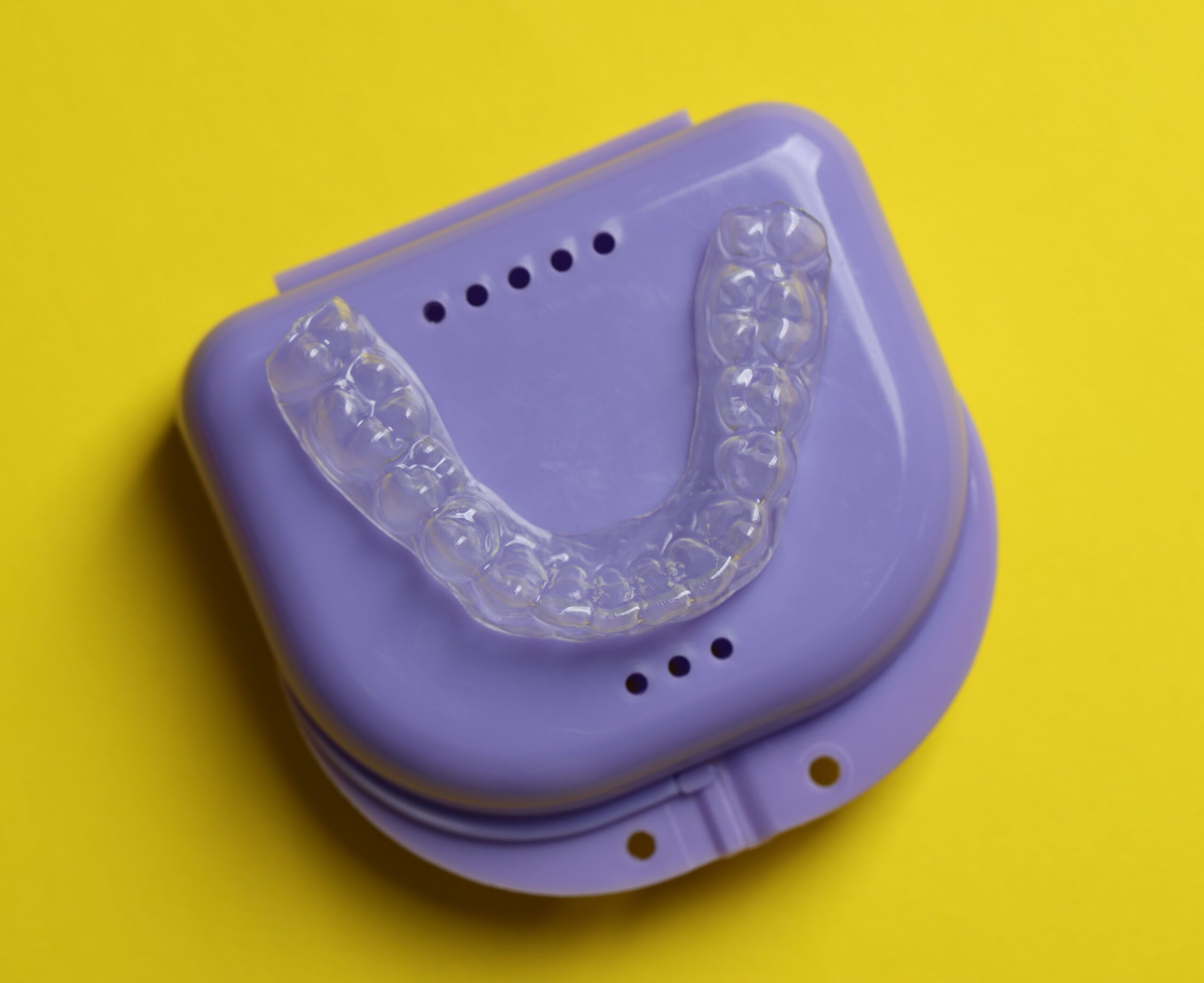
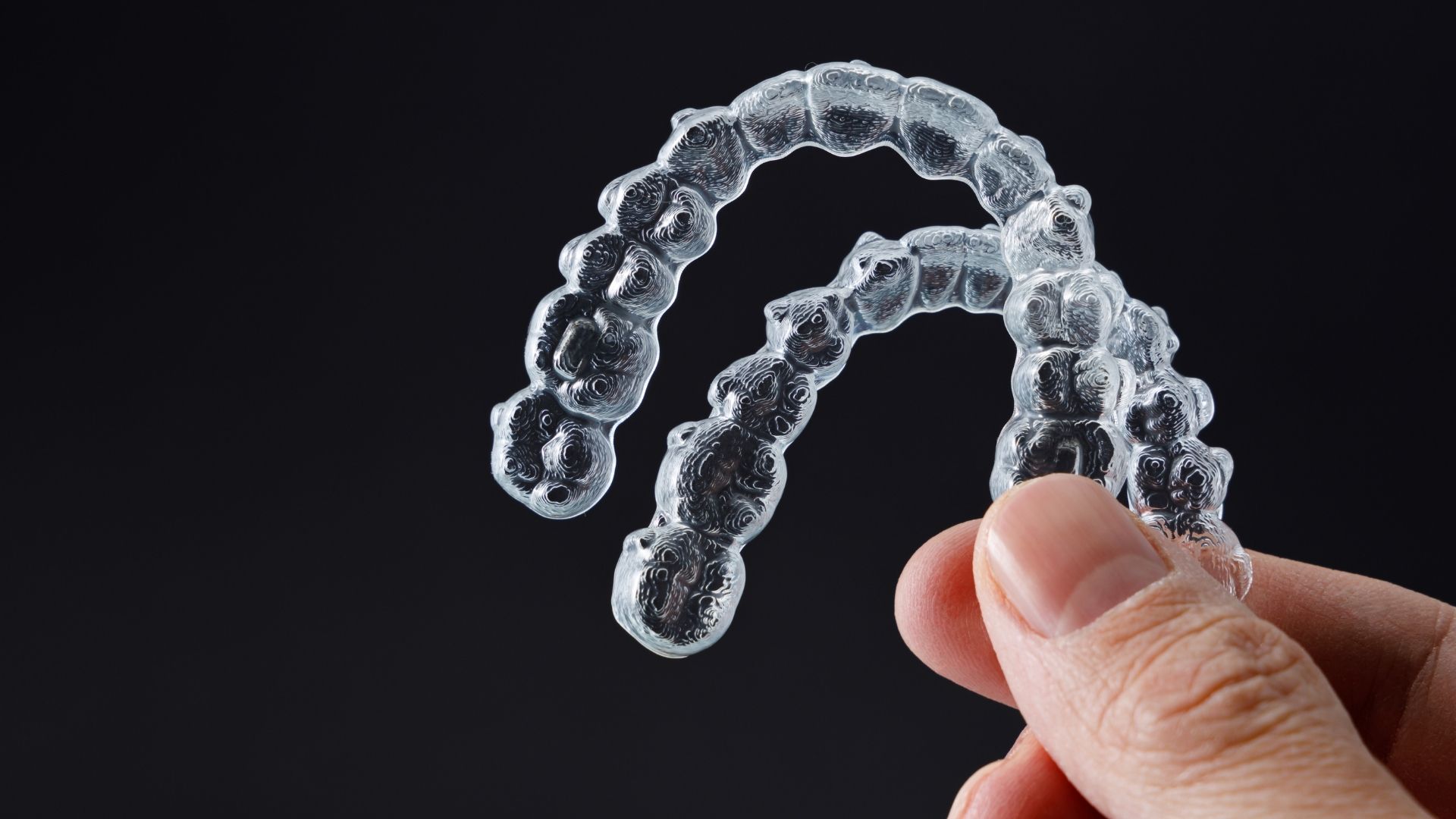
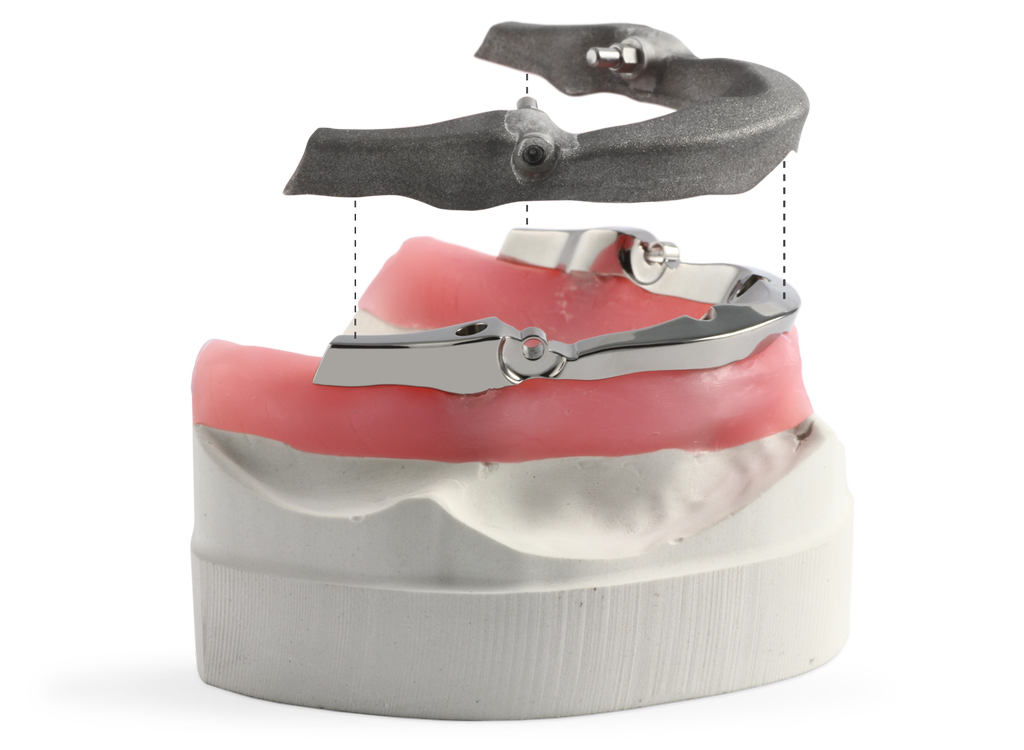
A night guard is a custom fitted oral appliance worn over your teeth while you sleep. It acts as a protective barrier between your upper and lower teeth, absorbing the force of grinding and clenching so your teeth do not have to.
The key word there is custom fitted. A night guard made by your dentist is designed from an impression of your actual teeth, which means it fits comfortably, stays in place throughout the night, and does its job properly. It is very different from the generic boil and bite guards you find at the drugstore, which tend to be bulky, uncomfortable, and far less effective.
What Is Teeth Grinding and Why Does It Happen?
Teeth grinding and clenching, clinically known as bruxism, is more common than most people realize. Many people who grind their teeth do so entirely during sleep and have no idea it is happening until a partner mentions hearing it or a dentist spots the signs during a routine exam.
The causes are not always straightforward but some of the most common contributors include:
Stress and anxiety
This is the biggest one. When stress levels rise, the body holds tension in all kinds of ways and the jaw is one of the most common places it lands. Many people notice their grinding worsens during particularly stressful periods at work or in life.
Sleep disorders
Bruxism is closely linked to sleep apnea and other sleep related issues. If you grind your teeth and also wake up feeling unrested or have been told you snore, it is worth mentioning both to your dentist.
Bite misalignment
When the upper and lower teeth do not come together properly, the jaw can unconsciously try to find a more comfortable resting position overnight, leading to grinding.
Caffeine and alcohol
Both can increase the likelihood of grinding, particularly when consumed in the hours before bed.
What Happens to Your Teeth If You Skip the Night Guard?
This is the part that tends to change people’s minds. Grinding might not hurt in the moment but the cumulative damage it causes over months and years is significant.
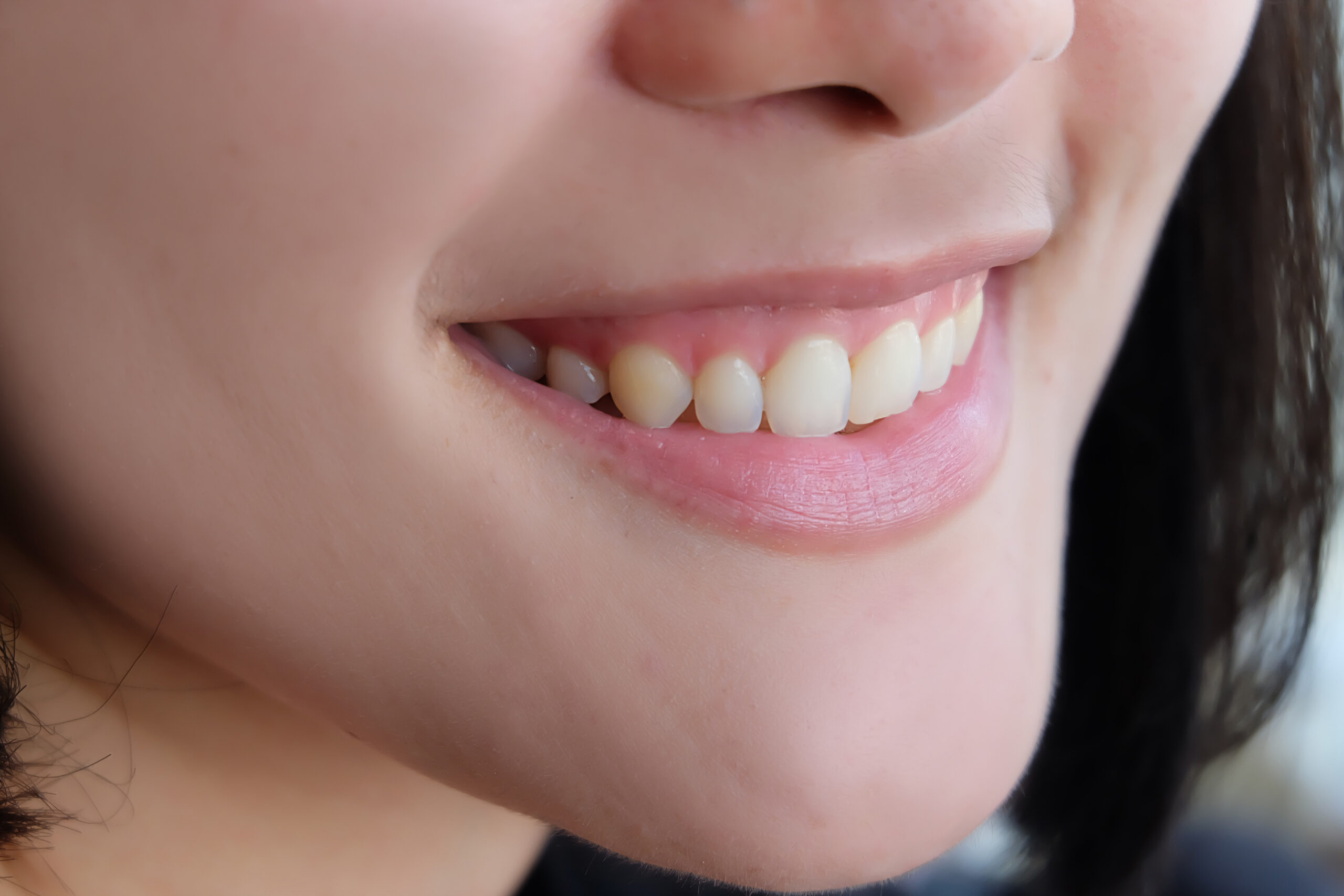
Enamel wear
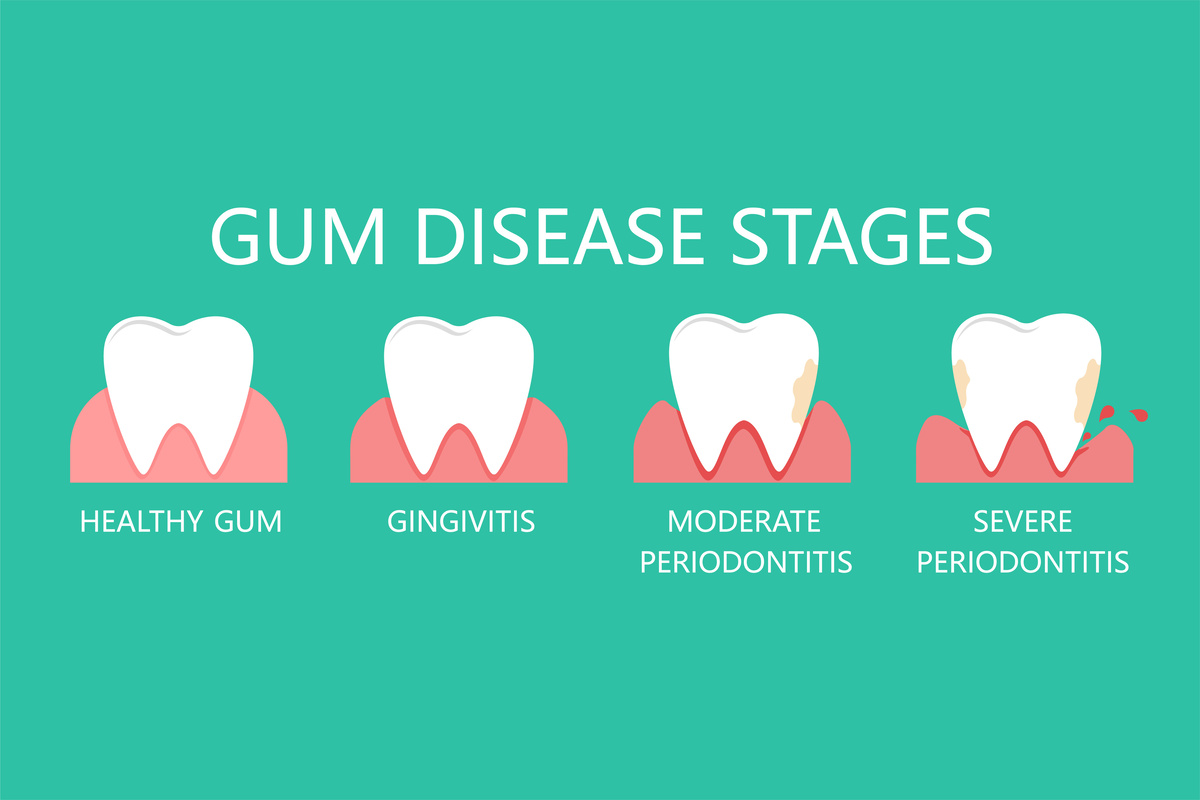
The grinding motion slowly wears down the hard outer surface of your teeth. Once enamel is gone it does not come back. Worn enamel means increased sensitivity, a higher risk of cavities, and teeth that look shorter or more translucent at the edges.
Chips and cracks
The pressure of grinding can cause teeth to chip or crack over time. Small cracks might not be visible to you but they weaken the tooth structure and can eventually lead to more serious damage.
Jaw pain and headaches
The muscles you use to grind are the same ones involved in chewing and talking. Overworking them overnight leads to soreness, tension headaches, and in some cases jaw pain that is present all day long.
TMJ issues
The temporomandibular joint, or TMJ, is the joint that connects your jaw to your skull. Chronic grinding puts excessive strain on this joint and can lead to TMJ disorder, which causes jaw clicking, popping, pain, and limited range of motion.
Expensive dental work down the road
Repairing teeth that have been worn down, cracked, or damaged by grinding requires fillings, crowns, veneers, or in serious cases more extensive restorative work. A night guard is a fraction of the cost of any of those treatments.
How Do You Know If You Need One?
You might not know for certain without a dental exam, which is exactly why regular checkups matter. Dr. Hiruma can spot the signs of grinding during a routine visit even if you have never noticed any symptoms yourself.
Some signs that you might be grinding include:
- Waking up with a sore or tired jaw
- Frequent tension headaches, especially in the morning
- Teeth that look flatter or more worn down than they used to
- Increased tooth sensitivity
- A partner telling you they can hear you grinding at night
- Unexplained chips or cracks in your teeth
If any of these sound familiar, it is worth bringing up at your next visit.
What to Expect When You Get a Night Guard at Enso
Getting a custom night guard is a simple and straightforward process. During your appointment we take an impression of your teeth, which gets sent to a dental lab where your guard is fabricated to fit your exact bite. When it comes back we make sure the fit is right and walk you through how to wear and care for it.
Most patients adjust to wearing a night guard within a week or two. It feels strange at first, as most new things do, but it quickly becomes part of the routine and most people wonder how they ever slept without one.
Protect Your Smile Before the Damage Adds Up
A night guard is one of the simplest, most cost effective things you can do to protect your long term dental health. If you have been putting it off or are not sure whether you need one, come in and let us take a look.
Book your appointment at ensodentalarts.com/contact or call us at (516) 494-4771. We are happy to answer any questions and help you figure out the best next step.