When most people hear the word Botox, they think of forehead lines. So the first reaction to seeing it offered in a dental office is usually some version of the same question: why here?
The answer is simple. No one spends more time studying the muscles of the face and jaw than a dentist does. Those muscles are the reason your jaw aches when you wake up, the reason your temples feel tight by three in the afternoon, and the reason some patients wear through a night guard in under a year. Botox works directly on those muscles, which makes it one of the more useful tools we have for patients living with chronic jaw tension.
Here is what it actually does, who it tends to help, and what to expect if you decide to try it.
The Muscle Doing All the Damage
The masseter is the thick muscle that runs along the side of your jaw, just below your cheekbone. Place your fingers there and clench, and you will feel it flex. It is one of the strongest muscles in the human body relative to its size, and it is capable of generating far more force than your teeth were designed to absorb night after night.
For someone who clenches or grinds, that muscle is essentially doing an unpaid workout every single night. Over time the results show up in ways that seem unrelated: worn or flattened teeth, hairline cracks in enamel, sensitivity that comes and goes, morning headaches, sore jaws, clicking joints, and a face that gradually squares off as the muscle grows in size.
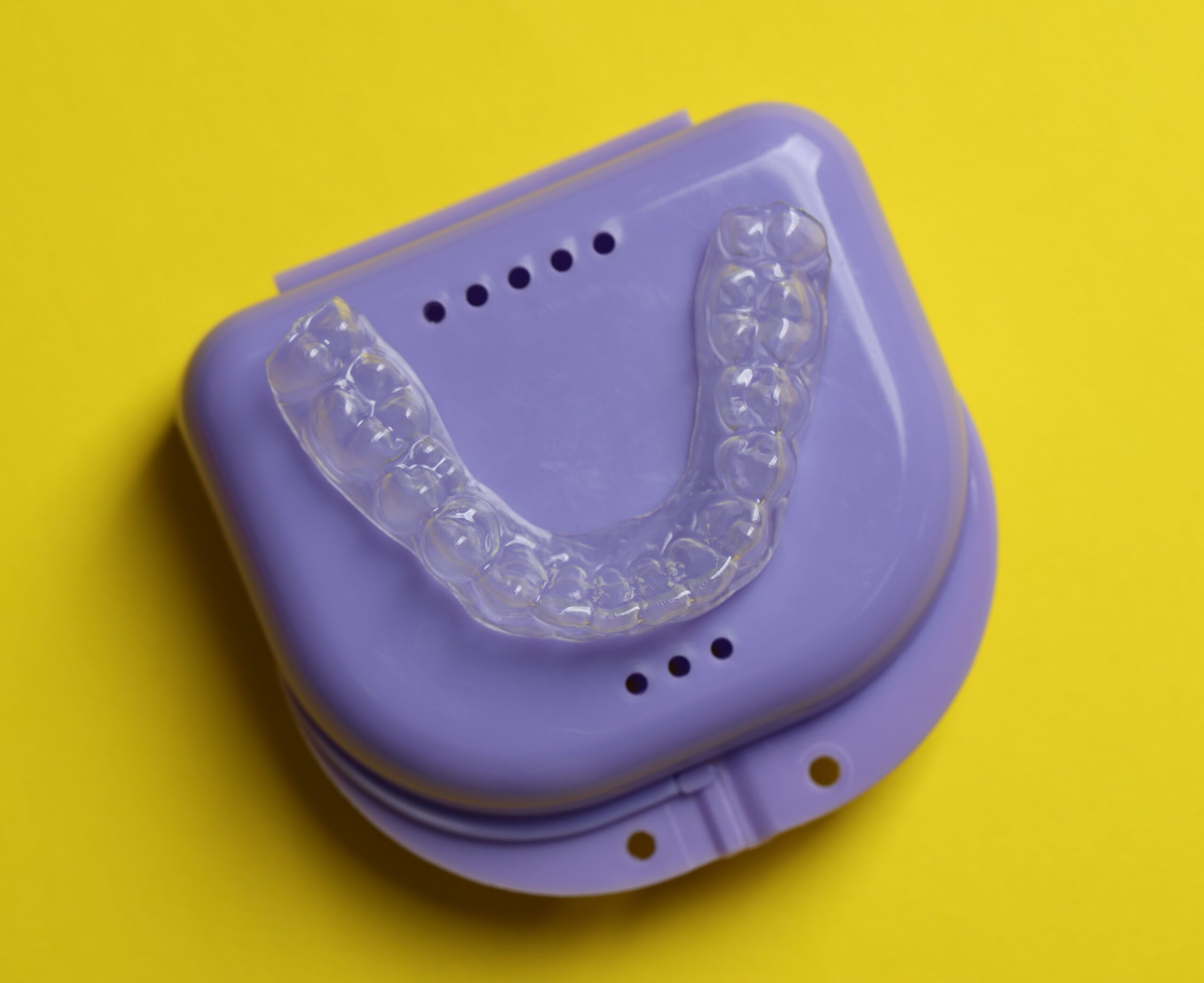
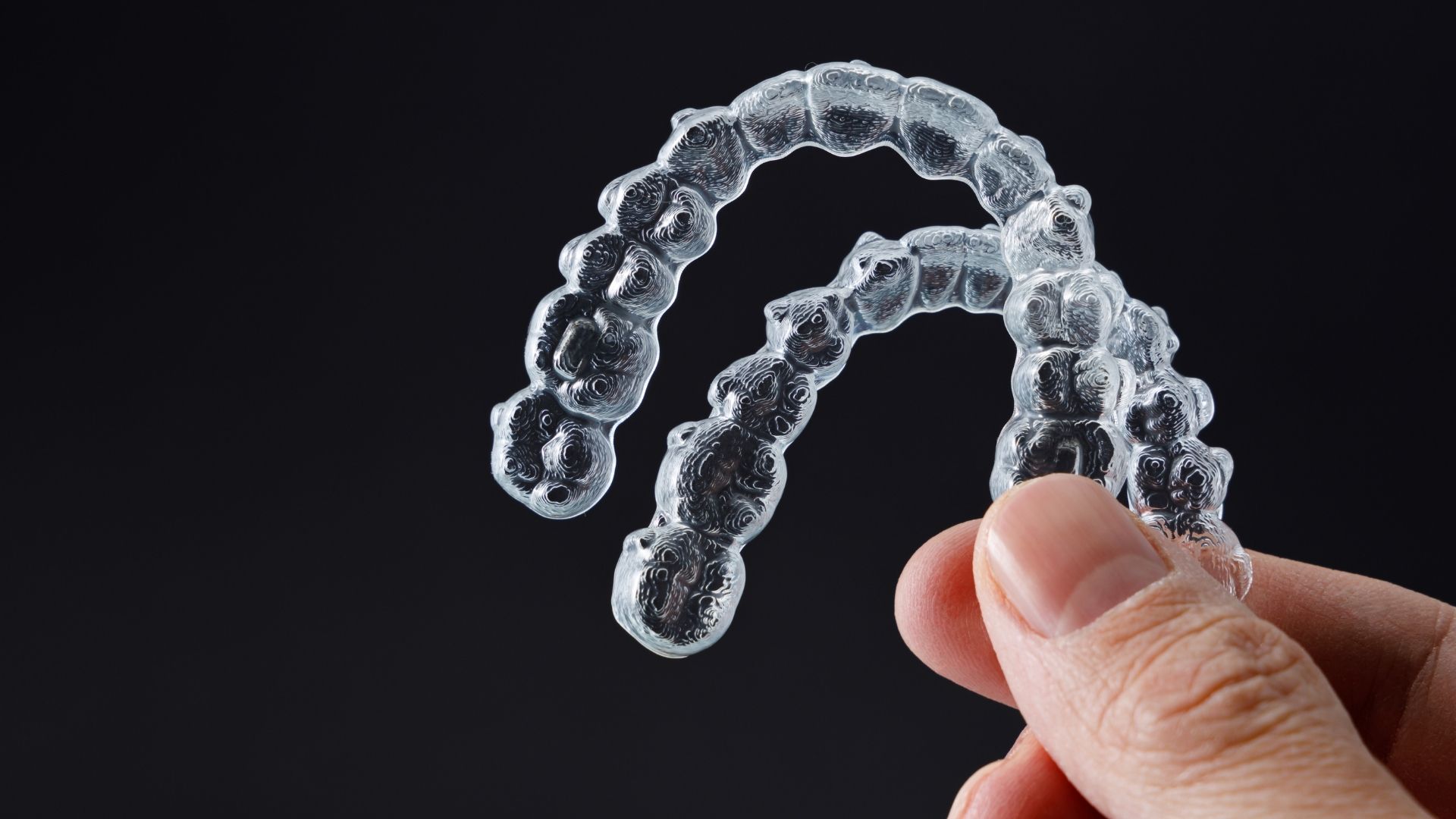
A night guard protects your teeth from that force, and it does that job very well. What it does not do is reduce the force itself. That is where Botox comes in.
How Botox Helps
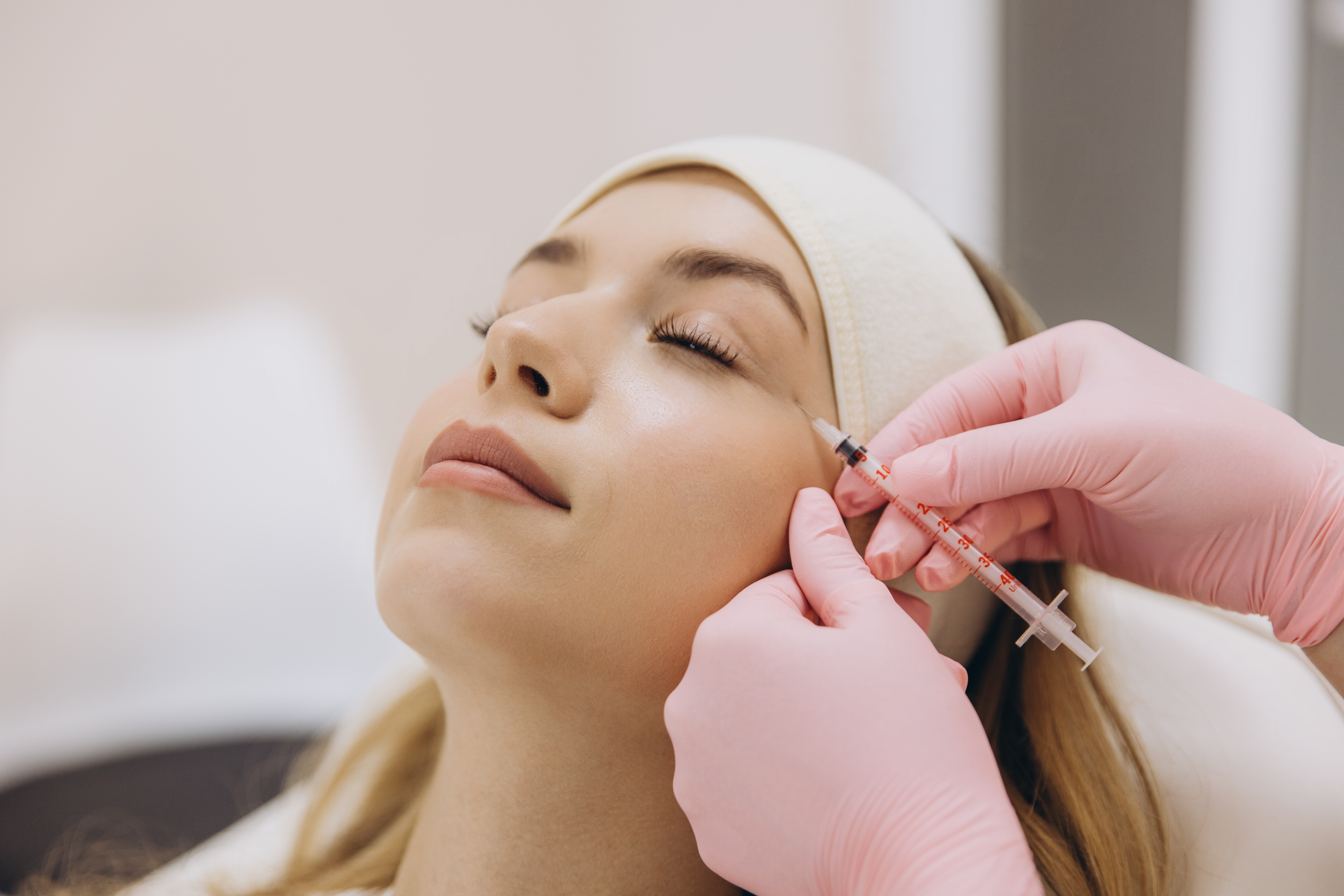
Botox works by temporarily limiting the signal between nerve and muscle. Placed into the masseter in small, carefully measured amounts, it softens the intensity of the clench without taking away your ability to chew, speak, or smile normally. You still use your jaw the way you always have. It simply stops squeezing with the kind of force it was using before.
Most patients notice a difference within three to ten days, with the full effect settling in around the two week mark. Results typically last three to four months, and many patients find that after two or three rounds the muscle has relaxed enough that they can space treatments further apart.
Patients most often come to us about:
Morning jaw soreness. Waking up with a tight, tired jaw that loosens up over the course of the day.
Tension headaches. Particularly the kind that start at the temples or behind the eyes and are worse during stressful weeks.
TMJ discomfort. Clicking, popping, limited opening, or pain in front of the ear. Botox is one part of TMJ care, not the whole of it, but it can meaningfully reduce the muscular component.
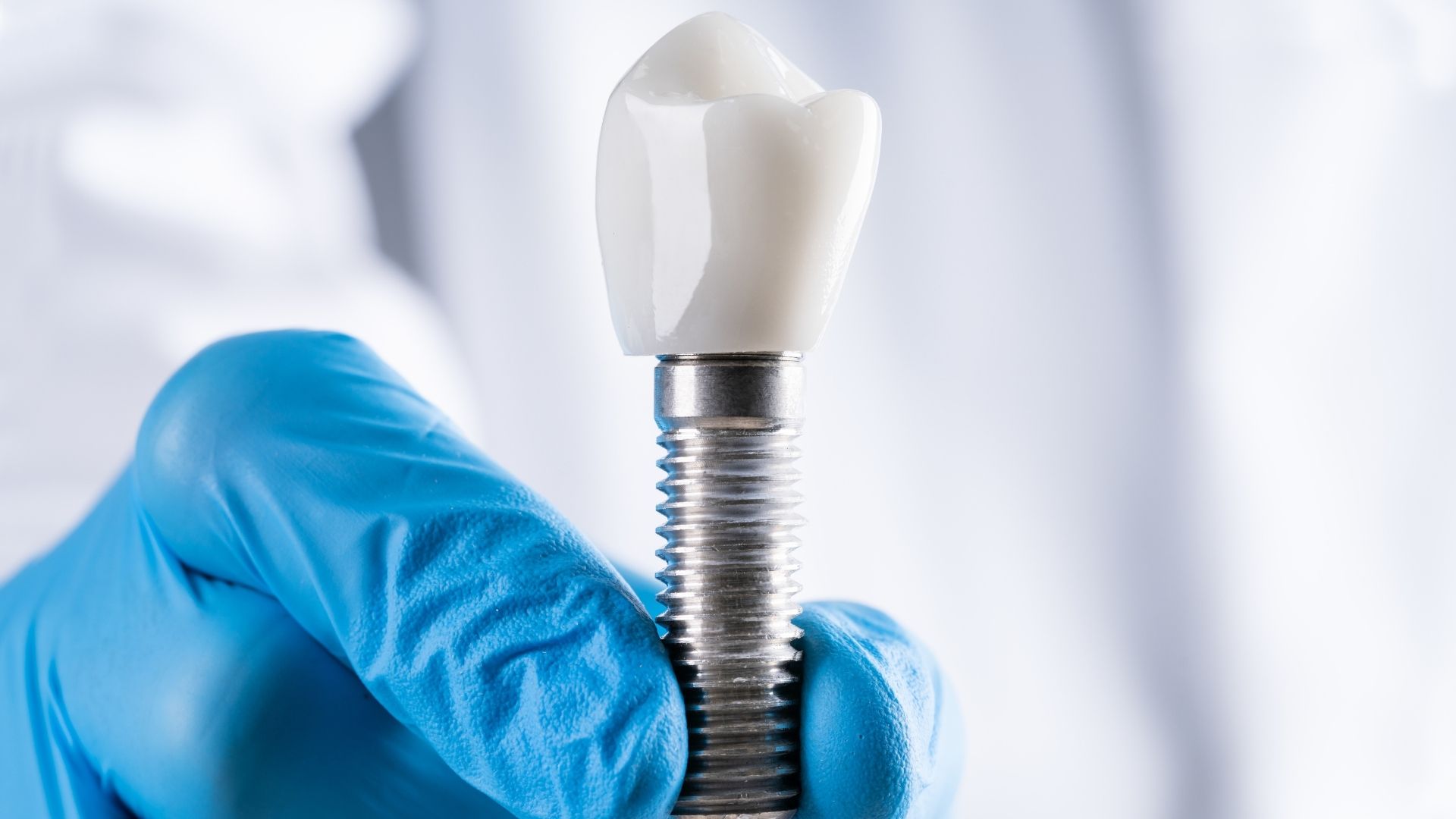
Protecting dental work. Patients who have invested in veneers, crowns, or implants and want to reduce the force those restorations are absorbing.
Facial slimming. When the masseter has grown from years of clenching, softening it also softens the width of the lower face. This is a side effect rather than the goal for most of our patients, but it is a welcome one.
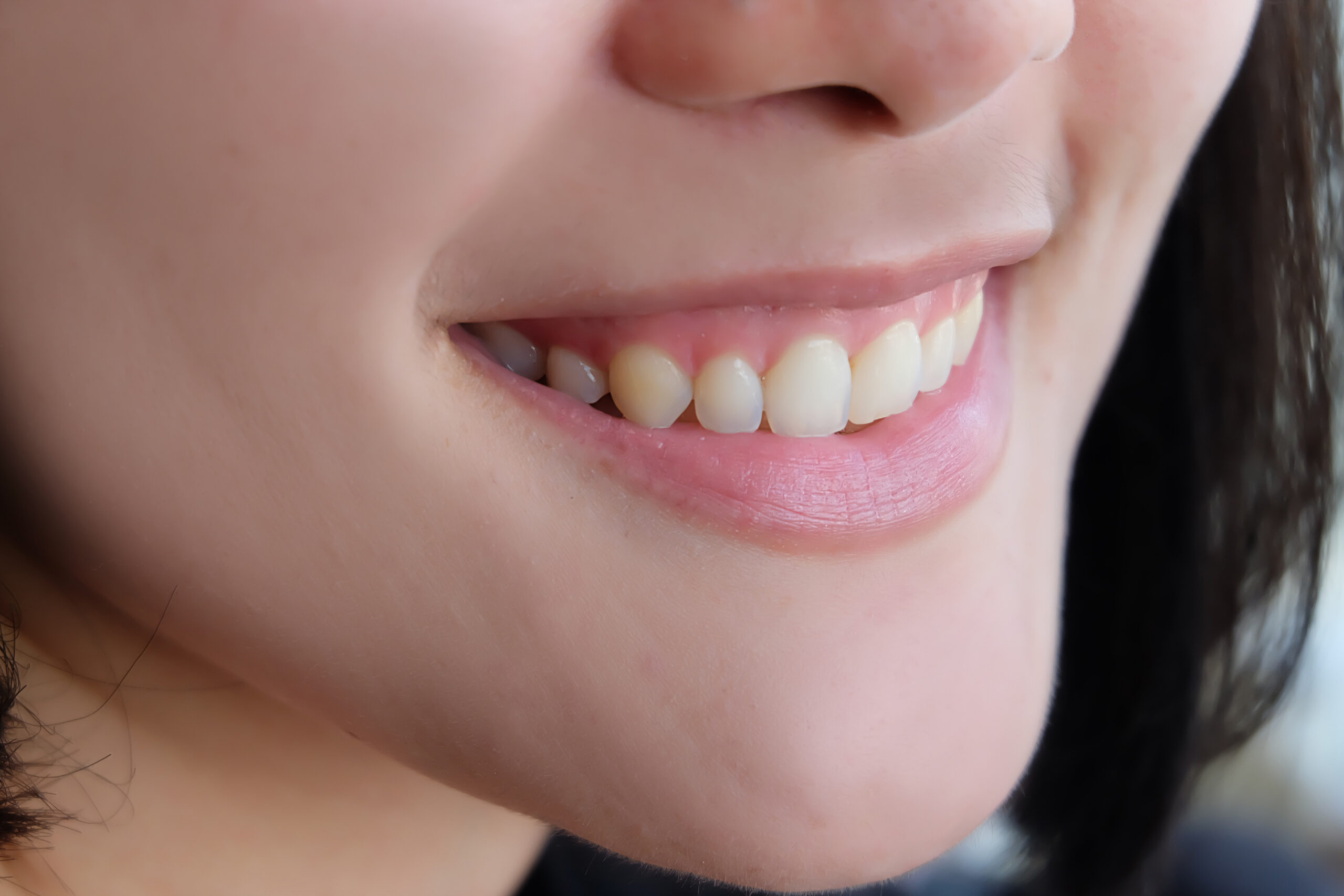
Botox also has a place in cosmetic dentistry, including gummy smile correction and lip repositioning, which is a separate conversation and a separate technique.
What the Appointment Is Like
Shorter than most people expect. Treatment itself takes about ten minutes. There is no numbing required, no downtime, and nothing to recover from. Patients regularly come in on a lunch break and go straight back to work.
The injections are done with a very fine needle and feel like a quick pinch. Some patients have mild tenderness at the site for a day, similar to a small bruise. We ask you to stay upright for four hours afterward and to skip heavy exercise, saunas, and lying face down for the rest of the day. That is the extent of the aftercare.
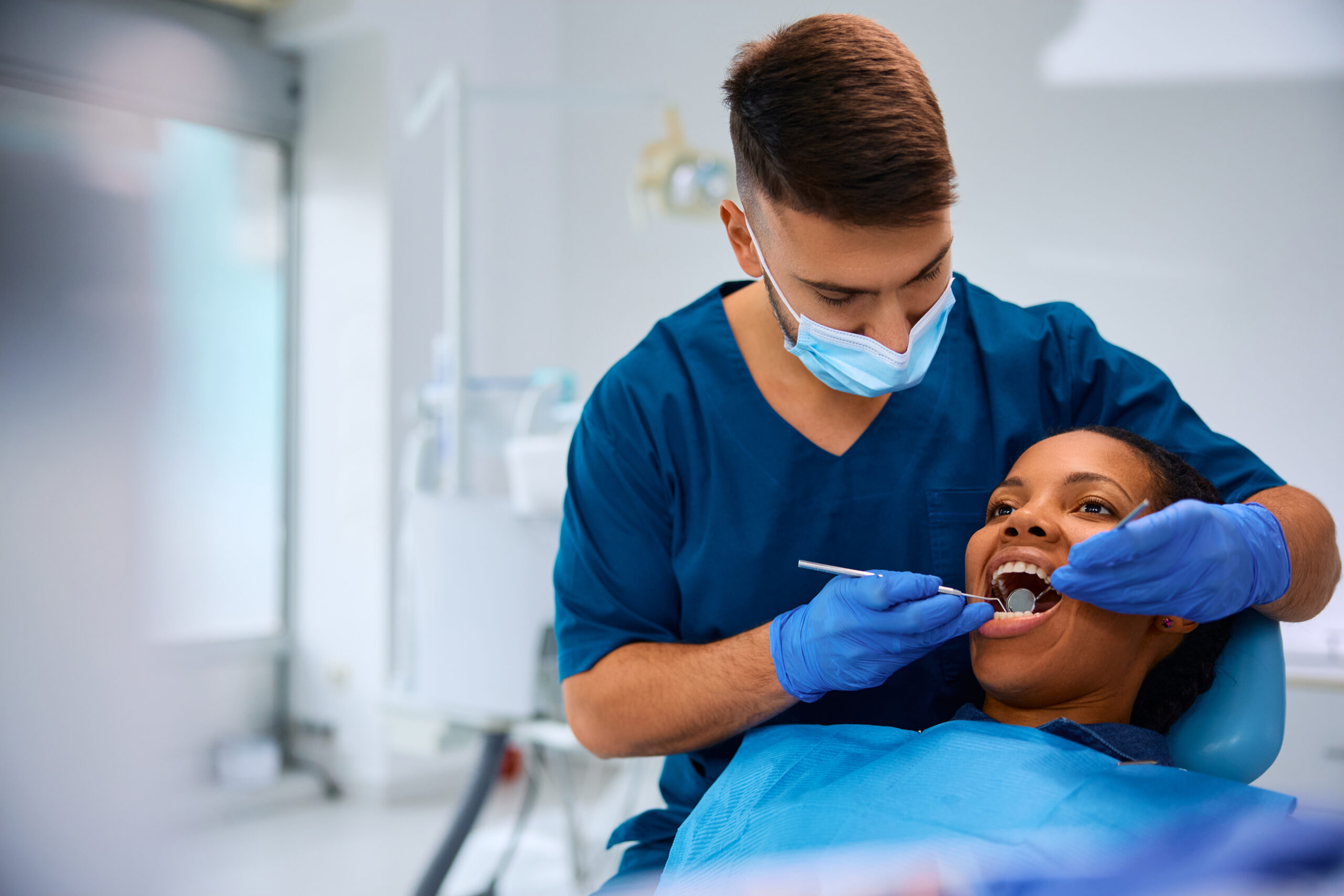
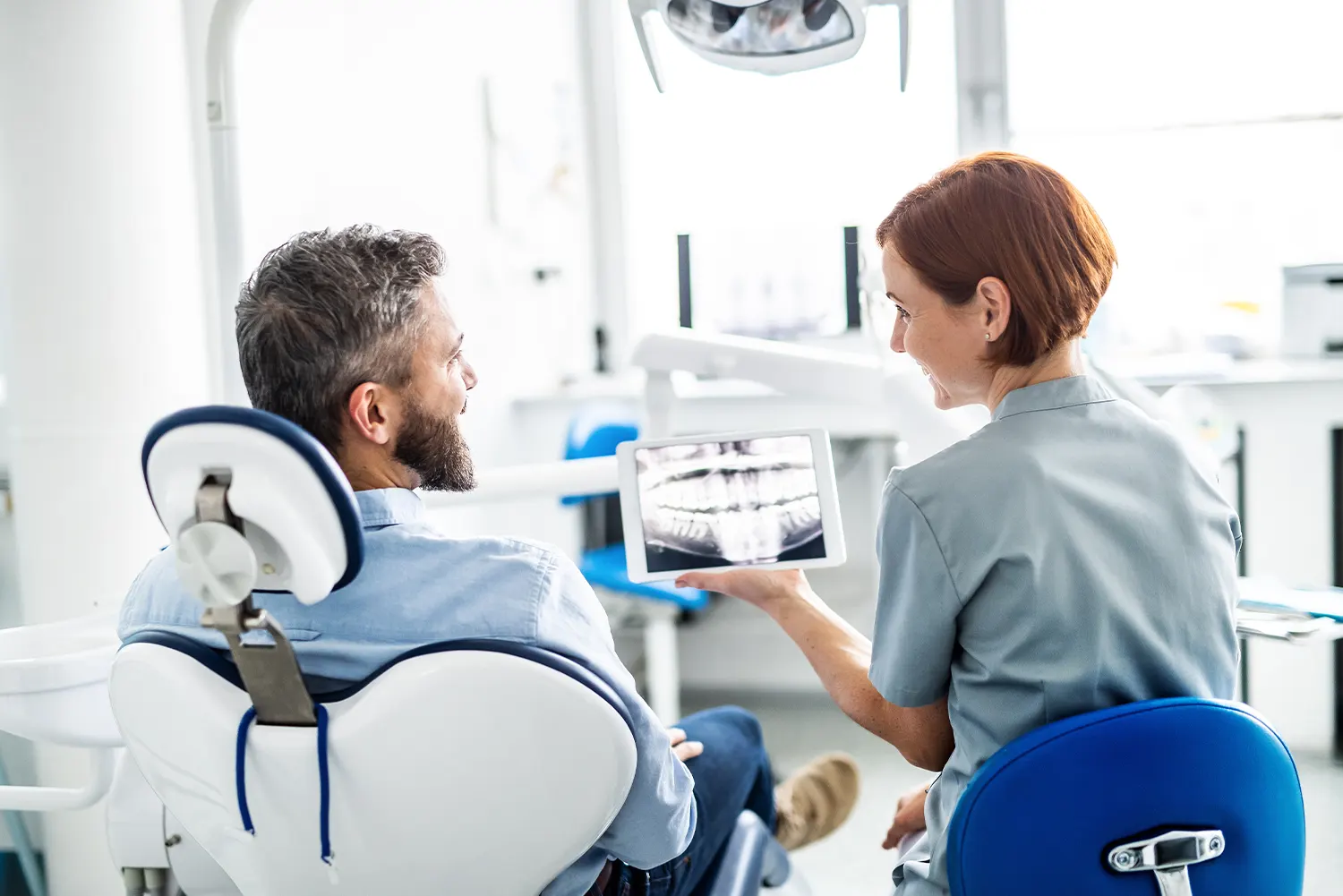
Before any of it happens, Dr. Hiruma examines your bite, your joint, and the wear pattern on your teeth. Jaw pain has more than one possible cause, and Botox is not the right answer for all of them. If your discomfort is coming from your bite rather than your muscles, we would rather find that out first and treat the actual source.
Botox and Night Guards Work Better Together
This is the part patients ask about most. Does Botox replace a night guard?
For most people, no. A night guard is a physical barrier that protects enamel. Botox reduces the force being applied to that barrier. They solve two different halves of the same problem, and used together they tend to give patients far more relief than either does on its own. If you have been replacing worn guards faster than you should be, that is usually a sign that force reduction belongs in the plan.
Whether It Is Right for You
Botox is not appropriate for everyone. Patients who are pregnant or nursing, who have certain neuromuscular conditions, or who have had a reaction to botulinum toxin in the past are not candidates. It is also not a substitute for addressing the underlying stress that drives most clenching in the first place.
What it is, for the right patient, is a straightforward way to stop waking up in pain.
If your jaw has been talking to you lately, come in and let us take a look. We will examine what is actually happening in your bite and your muscles, walk you through every option including the ones that do not involve Botox at all, and help you decide what makes sense.
Book a consultation at ensodentalarts.com/contact or call us at (516) 494-4771. We would love to help you feel better.