Gummy Smile? Here Is What Is Actually Causing It and How We Fix It
Some patients bring it up in the first two minutes of a consultation. Others wait until the very end, usually phrased as a question they seem slightly embarrassed to ask: is there anything you can do about how much gum shows when I smile?
There is. Usually more than one option, and the right one depends entirely on what is causing it, which is the part most people never get explained to them.
A quick word before the clinical details. A gummy smile is not a flaw. Plenty of the most beautiful smiles in the world show a generous amount of gum tissue, and if yours has never bothered you, this article is not asking you to start caring about it. But if you have been covering your mouth in photos or holding a smile back to a polite version of itself, that is a real thing to want changed, and it is very fixable.
What Actually Counts as a Gummy Smile
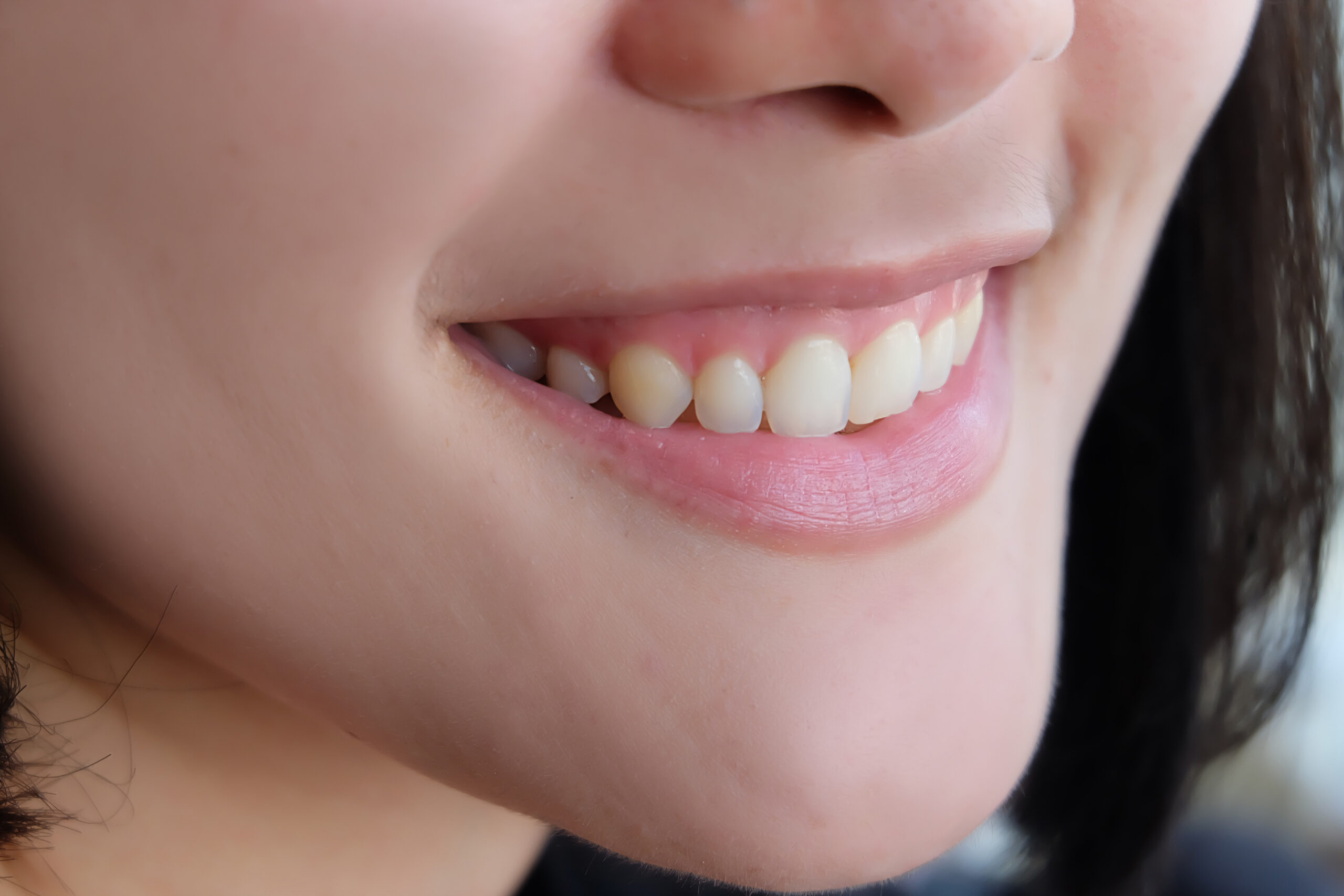
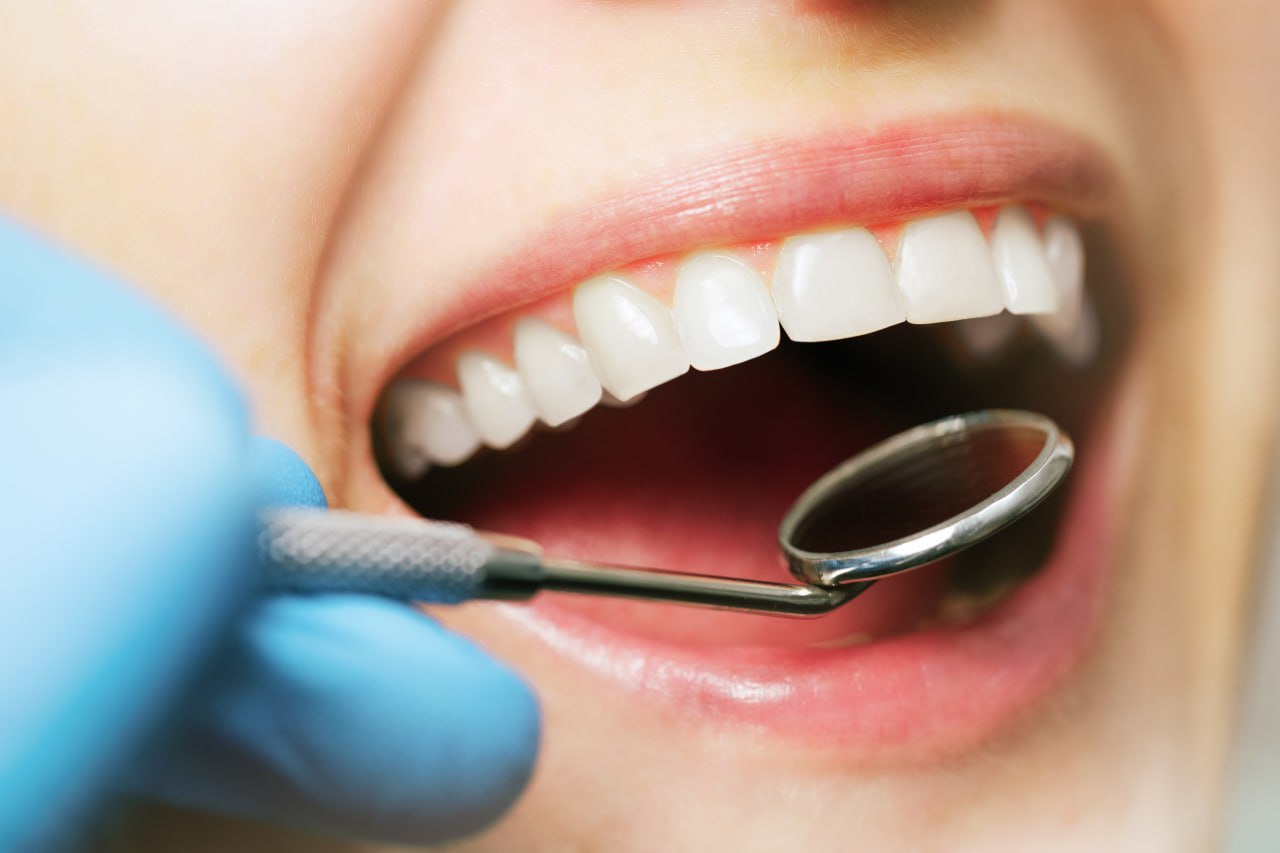
Dentists generally consider three to four millimeters or more of visible gum tissue above the upper teeth during a full smile to fall into gummy smile territory. Around two millimeters is typically considered ideal.
That said, millimeters are not what brings people in. Your own perception is what matters, and it is the measurement we pay the most attention to.
The Four Causes
This is where treatment planning actually begins, because each cause responds to a different solution.
Excess gum tissue. In many people the gums simply never finished migrating up the teeth during development, a condition called altered passive eruption. The teeth underneath are a perfectly normal length. They are just partially covered. This is the most common cause and the most straightforward to correct.
Short or worn teeth. Sometimes the gums are exactly where they should be and the teeth are the issue. Years of grinding can wear teeth down by several millimeters, and shorter teeth mean a higher proportion of gum on display. Some patients also have naturally short crowns.
A hyperactive upper lip. For some people the muscles that lift the upper lip are simply stronger than average, pulling the lip higher during a full smile and exposing gum tissue that stays hidden at rest. The gums and teeth are both completely normal.
Jaw position. Less commonly, the upper jaw sits or has grown in a position that pushes the entire gumline down. This is a skeletal issue and it requires a different conversation, sometimes involving orthodontics or a specialist referral.
Some patients have more than one of these happening at once, which is why a real examination matters more than an internet answer.
Laser Gum Contouring
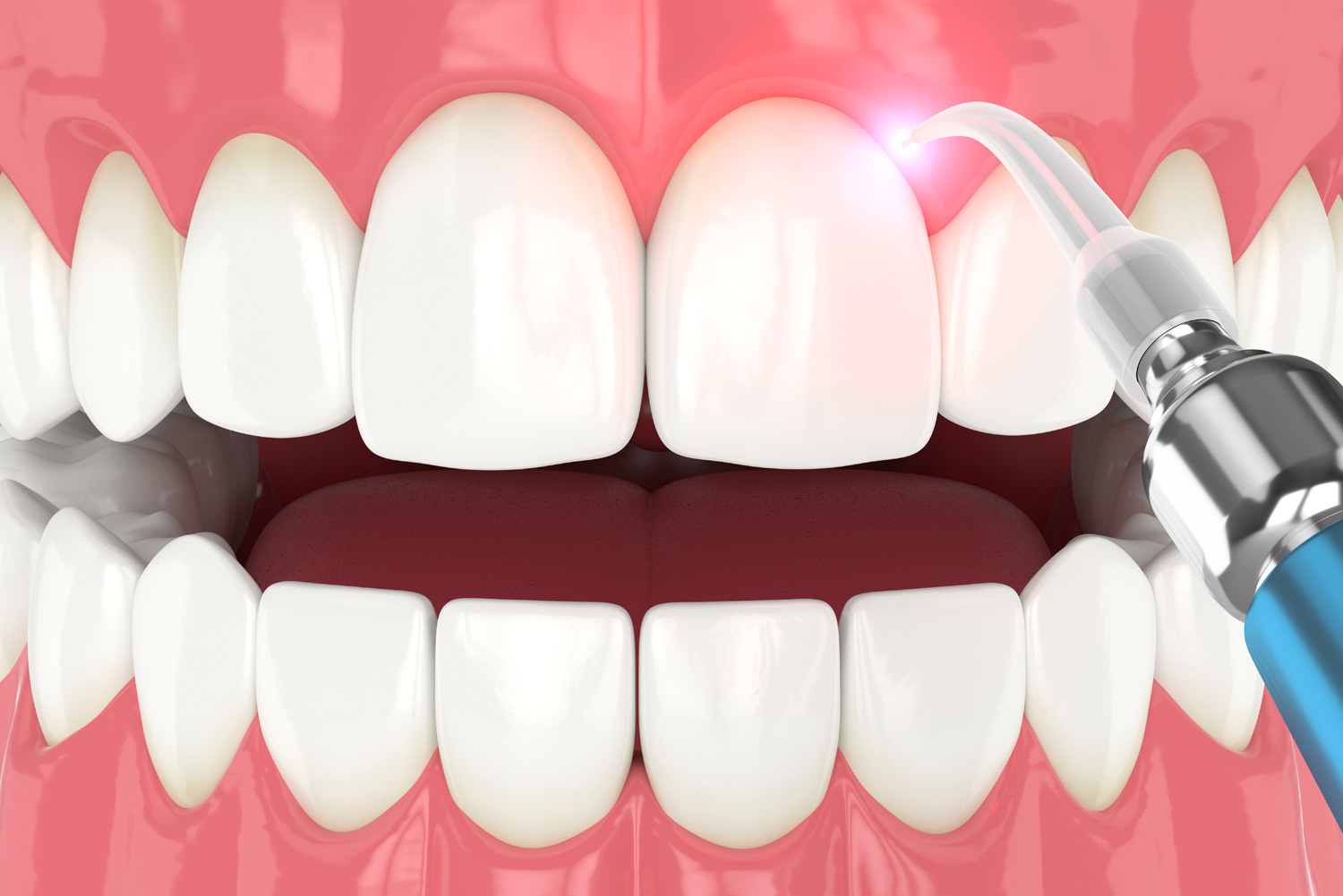
For excess gum tissue, which covers the majority of cases we see, laser gum contouring is the treatment of choice, and it is one of the more satisfying procedures we perform.
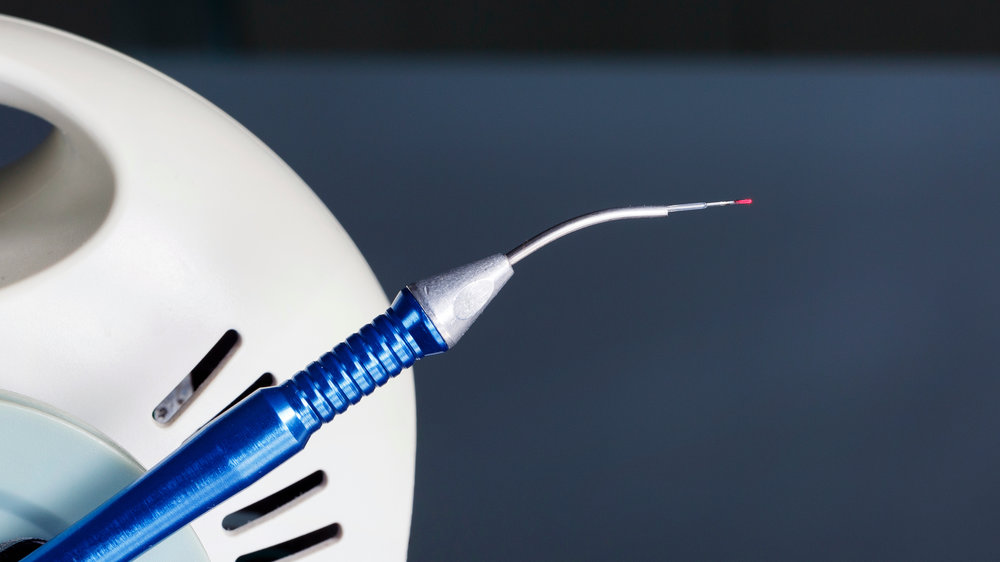
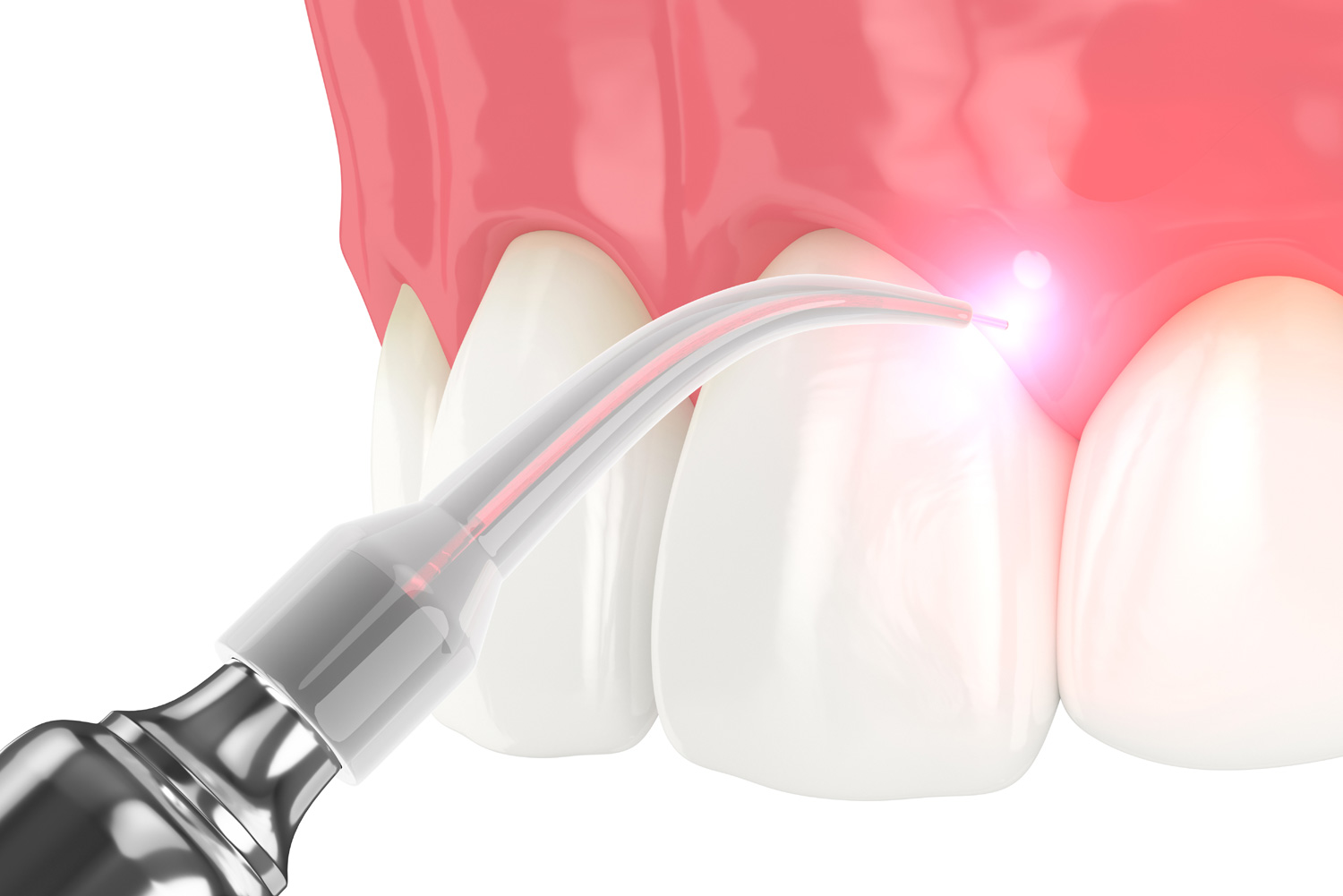
Using a dental laser, we reshape the gumline to reveal more of the natural tooth structure that is already there. The design is planned around the proportions of your face and your teeth, not to a formula, because a gumline that looks beautiful on one person can look wrong on another.
What patients tend to appreciate most is how different this is from the gum surgery they were imagining. The laser seals tissue as it works, which means minimal bleeding, no scalpel, and no sutures. The appointment usually runs under an hour. Discomfort afterward is generally mild and manageable with over the counter pain relief, and most patients are back to normal eating within a few days. Healing takes a couple of weeks to fully settle, but the change in your smile is visible the same day.
The Other Three Solutions
For short or worn teeth, contouring alone is not enough. Recontouring the gums and then restoring the teeth with veneers or bonding gives you back both proportion and length. This is a smile makeover in the truest sense, and it is planned as one project rather than two.
For a hyperactive lip, a small amount of Botox placed in the muscles that lift the upper lip softens their pull, so the lip rises to a more moderate height. It takes minutes, results appear within about a week, and it lasts three to four months. For patients who want something permanent, a lip repositioning procedure is an option worth discussing.
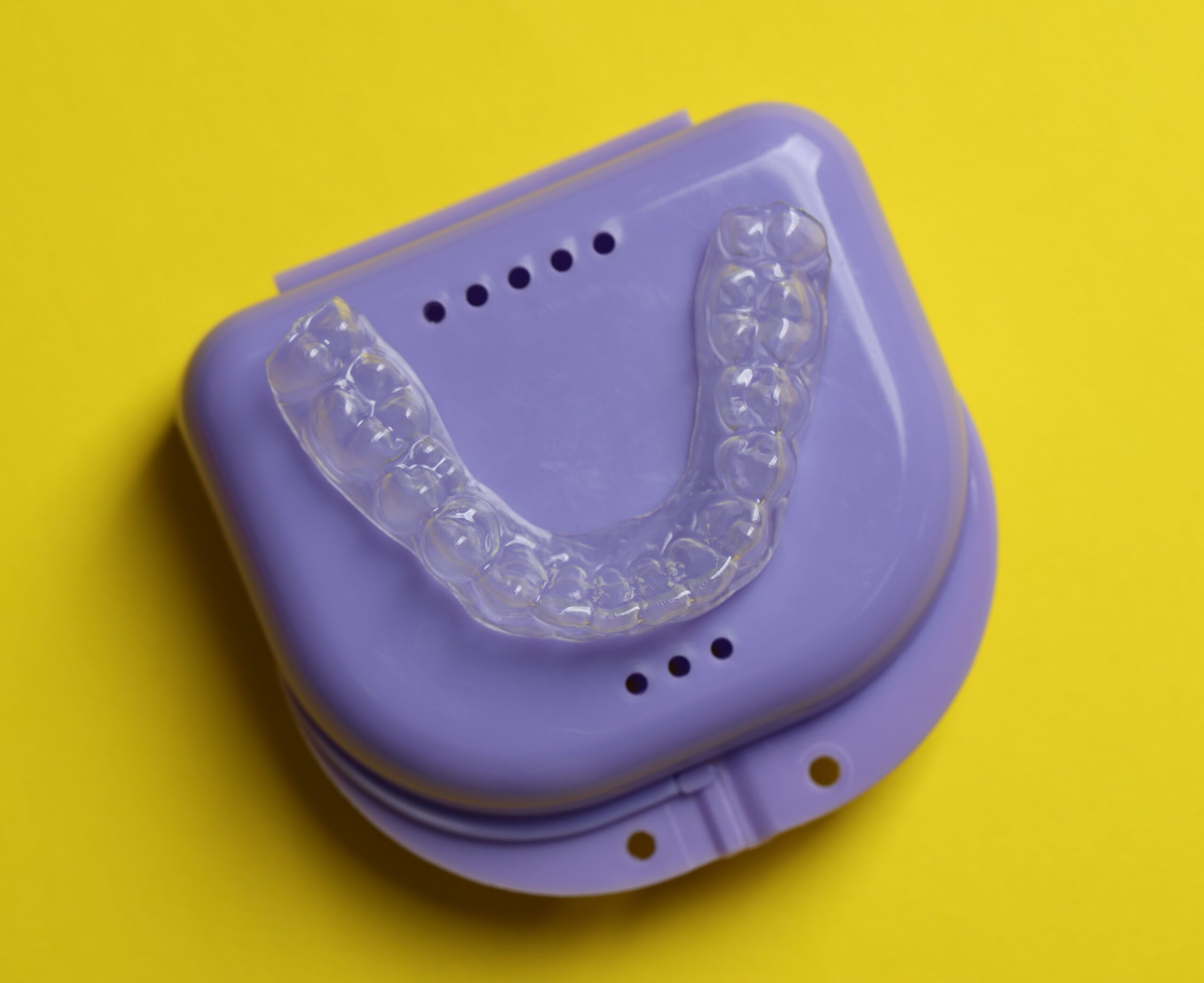
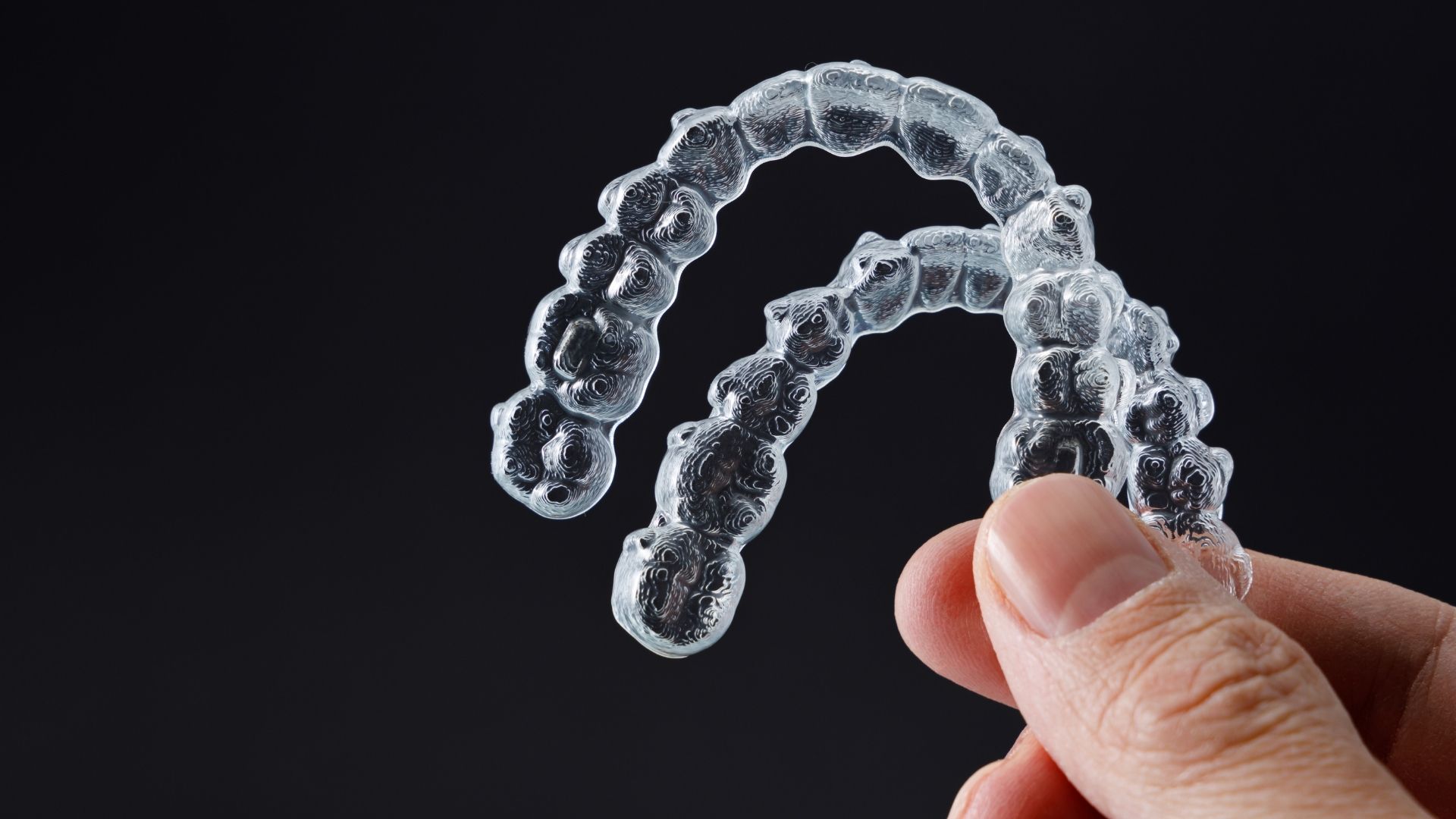
For jaw related cases, orthodontic treatment including Invisalign can sometimes improve the appearance meaningfully. More significant skeletal cases may call for a referral, and we will tell you honestly if that is where you are.
How to Find Out Which One You Have
You cannot really diagnose this in a mirror, and you certainly cannot diagnose it from a photo. Gum display involves your tooth proportions, your lip mobility, your bone position, and your smile line all interacting at once.
What that visit looks like at Ensō is a conversation more than an exam. Dr. Hiruma will look at your smile at rest and at full animation, measure what is actually there, and show you what is driving it. From there we talk through your options, including the option of doing nothing at all, which is always on the table.
There is no pressure and no push toward the largest treatment plan. Just a clear answer to a question you may have been quietly carrying for years.
Book a consultation at ensodentalarts.com/contact or call us at (516) 494-4771.