How Hormones Affect Your Teeth and Gums at Every Stage of Life
There is a conversation that happens in our operatory more often than you might think. A patient sits down, we look at her gums, and something has clearly changed since her last visit. Nothing about her routine has changed. She is brushing the same way, flossing the same way, eating the same way. And yet her gums are tender and bleeding when they were not six months ago.
Nine times out of ten, the missing variable is hormonal.
It is one of the least discussed parts of women’s health, and it deserves more attention than it gets. Estrogen and progesterone influence blood flow to your gum tissue, how strongly your body responds to the bacteria in your mouth, and how much saliva you produce. When those hormones shift, your mouth notices. Here is what that looks like at each stage.
Your Monthly Cycle
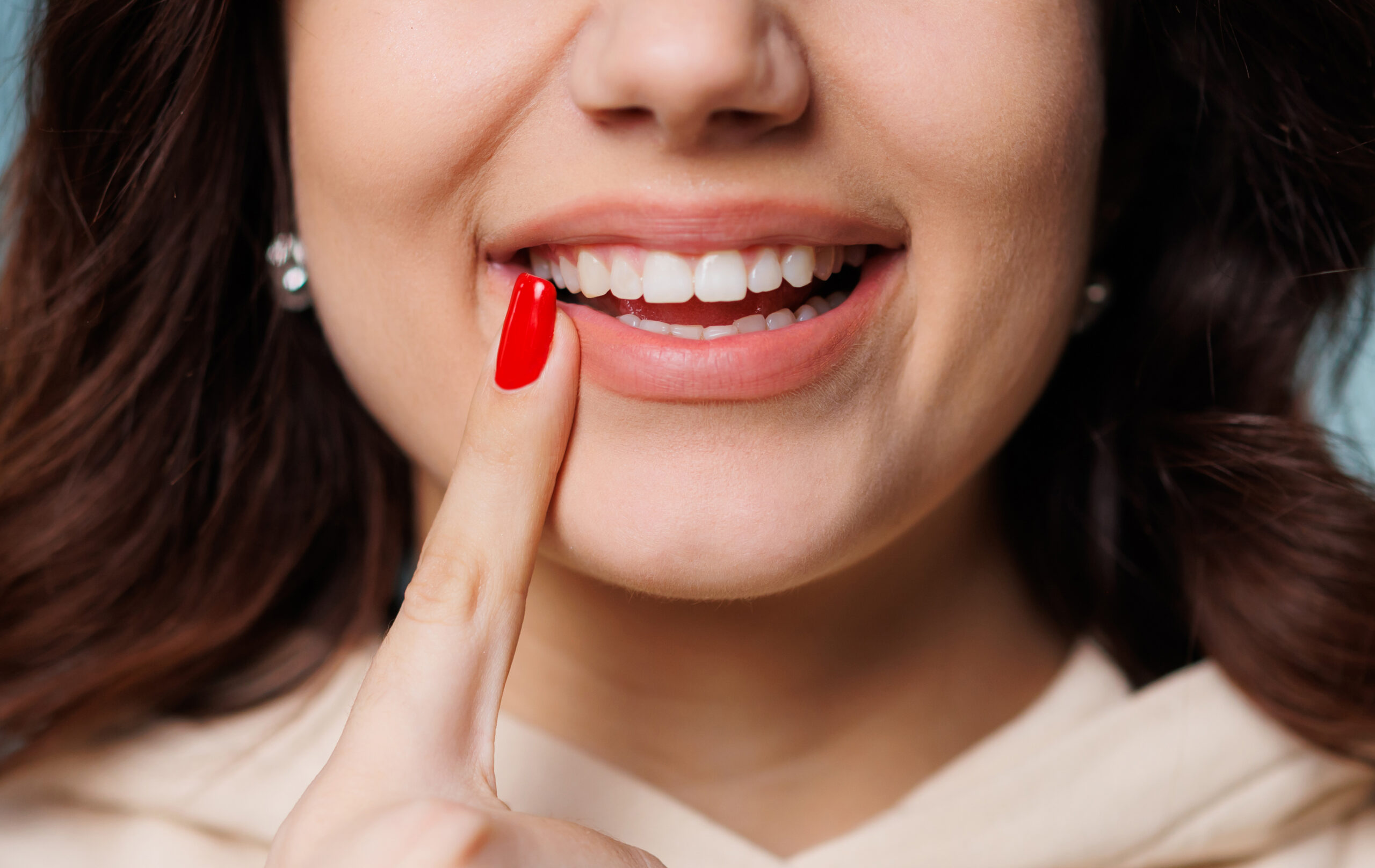
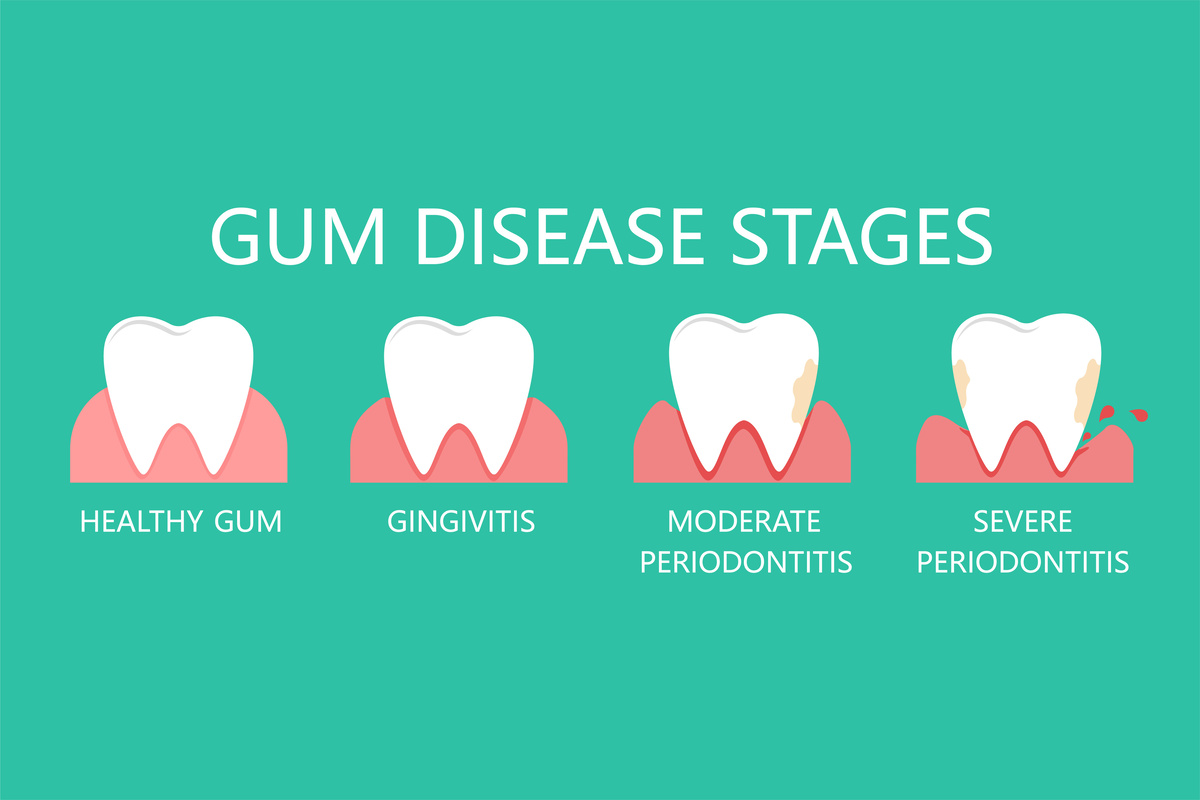
Some women experience what is sometimes called menstruation gingivitis: gums that feel swollen, tender, or bleed a little more easily in the days leading up to a period. Canker sores are also more common during this window. It usually resolves on its own once your cycle begins.
It is worth paying attention to because it tells you something. Gums that flare with a hormonal shift are gums that already have some inflammation present. Healthy tissue with no underlying irritation tends not to react. If you notice a monthly pattern, mention it at your next visit rather than writing it off.
Birth Control
Hormonal contraceptives have changed a great deal over the years, and today’s lower dose formulations affect the gums far less than earlier generations did. Still, some women notice increased gum sensitivity, particularly in the first few months.
The more relevant point is one that comes up around oral surgery. If you are having an extraction or an implant placed, tell us what you are taking. It gives us useful context and it matters for how we plan your care and your healing.
Pregnancy
This is the stage where the connection is strongest and where it matters most.
Pregnancy gingivitis affects a large share of expecting mothers, usually appearing somewhere between the second and eighth month. Gums become red, puffy, and prone to bleeding, even in women who have never had a gum issue in their lives. Some women develop a pregnancy tumor, which sounds far more alarming than it is. It is a benign overgrowth of tissue on the gums that typically disappears after delivery.
Morning sickness adds a second problem. Stomach acid is significantly harder on enamel than anything you eat or drink, and repeated exposure erodes it. The instinct is to brush immediately afterward, but brushing enamel that has just been softened by acid causes more damage. Rinse with water first, or with a teaspoon of baking soda dissolved in water, and wait about thirty minutes before brushing.
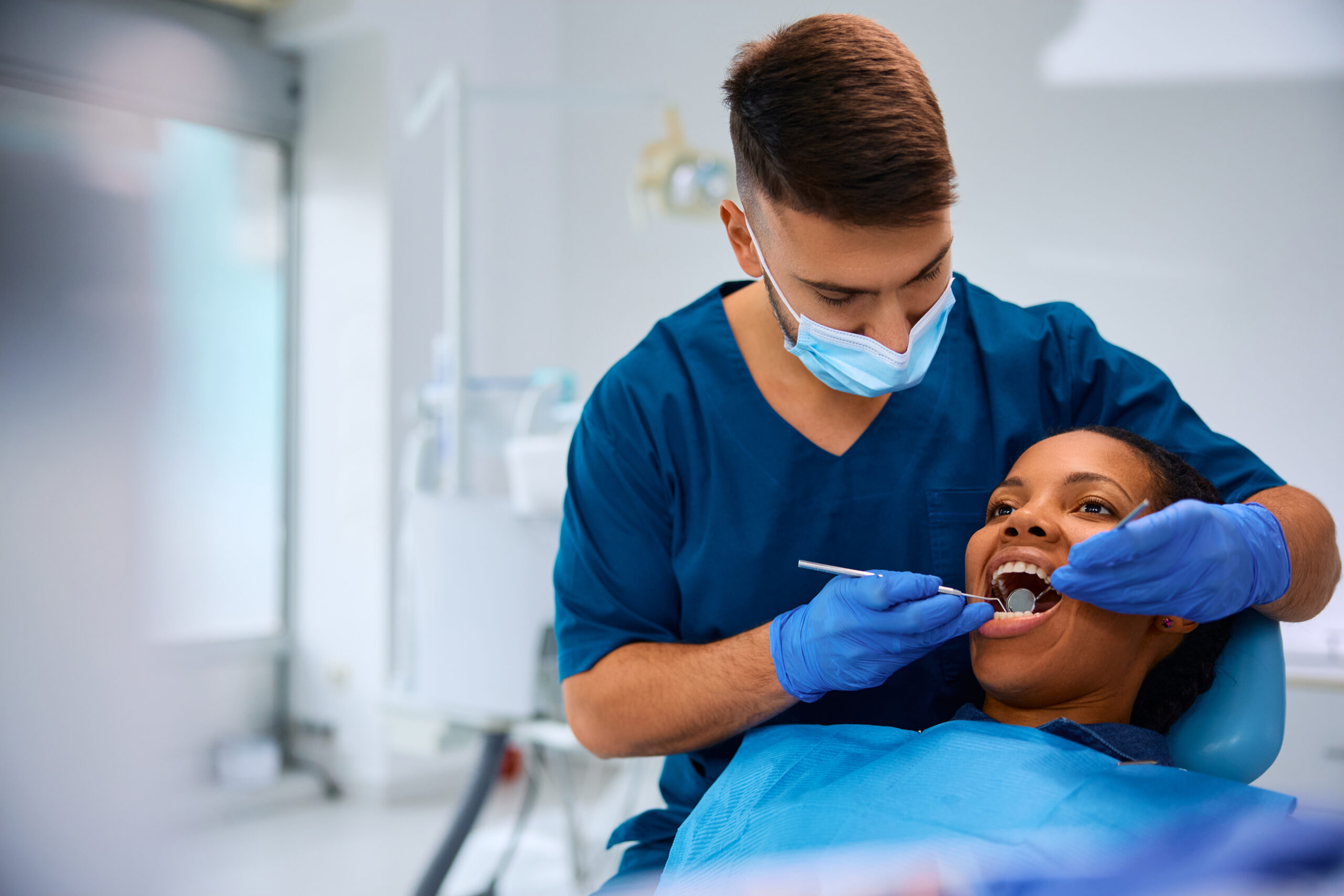
Please do not skip your cleanings while pregnant. Routine dental care during pregnancy is safe and it is recommended, and untreated gum disease has been associated with pregnancy complications. The second trimester is usually the most comfortable time to come in. Let us know how far along you are and we will make the visit as easy as possible.
Postpartum and Nursing
New mothers are running on very little sleep and very little time, and dental care is usually one of the first things to fall off the list. It is completely understandable, and it is also the moment when small problems quietly become larger ones.
Nursing can contribute to dry mouth, and less saliva means less natural protection against decay. Add interrupted sleep, higher stress, and more frequent snacking, and it is a demanding period for your teeth. If you are past due for a cleaning, this is your permission to book it. Bringing an infant with you is fine. We have seen it many times.
Perimenopause and Menopause
Declining estrogen brings its own set of changes, and they tend to catch women off guard because so little is said about them in advance.
Dry mouth becomes considerably more common, and saliva is one of your most important defenses. It neutralizes acid, rinses away food particles, and helps prevent cavities. Women who have not had a cavity in twenty years sometimes see several appear during this period, and dry mouth is usually the reason.
Bone density loss can affect the jawbone that supports your teeth. Some women experience burning mouth syndrome, a persistent burning or tingling sensation with no visible cause. Others notice altered taste or gums that feel thinner and more sensitive than they used to.
None of this is inevitable, and all of it is manageable when we know it is happening.
What Actually Helps
Tell us where you are. Pregnant, postpartum, perimenopausal, on a new medication. It changes what we look for and how we care for you.
Do not accept dry mouth as normal. Water throughout the day helps, and so do saliva stimulating products, prescription strength fluoride, and avoiding alcohol based rinses that make it worse.
Come in more often during transitional periods. A cleaning every three or four months during pregnancy or perimenopause is often the right call rather than waiting the standard six.
Rinse after acid exposure. Whether it comes from morning sickness, reflux, or lemon water, water first and brushing later.
Treat bleeding gums as information, not as normal. Healthy gums do not bleed. Hormones can amplify inflammation, but they do not create it out of nothing.
Your mouth is not separate from the rest of your body, and the more we understand about what is going on in the rest of it, the better care we can give you.
If something has changed and you are not sure why, come talk to us. Book at ensodentalarts.com/contact or call (516) 494-4771.